There’s no getting away from the fact that having a child with eczema is likely to impact the entire family. From broken nights, to time spent applying eczema creams and attending medical appointments, managing eczema is time consuming, exhausting and stressful. We look at the impacts and how to minimise the impact of childhood eczema and keep the fun of family life.
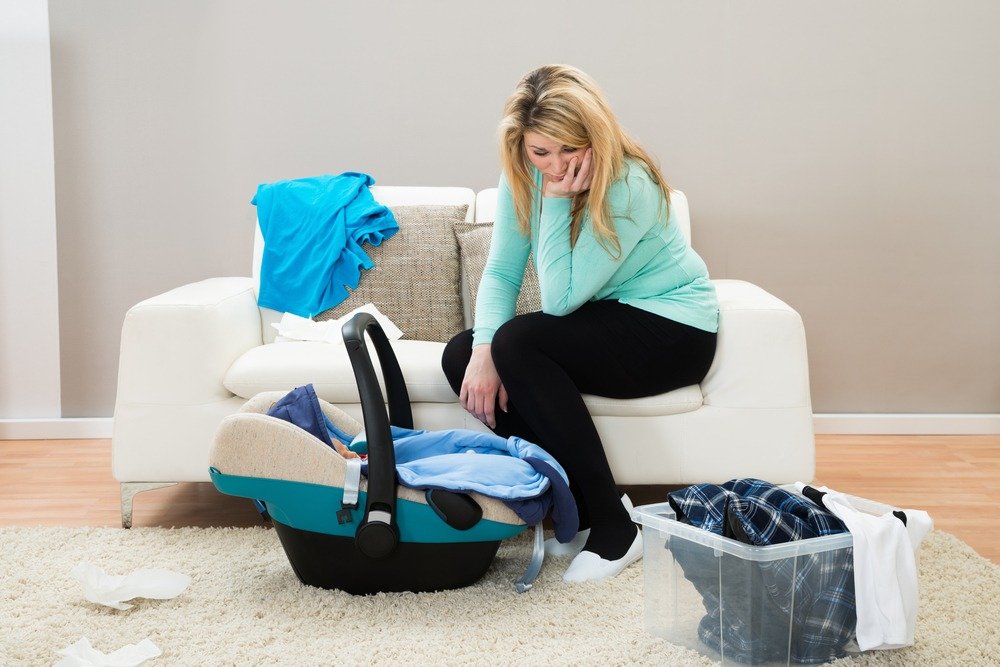
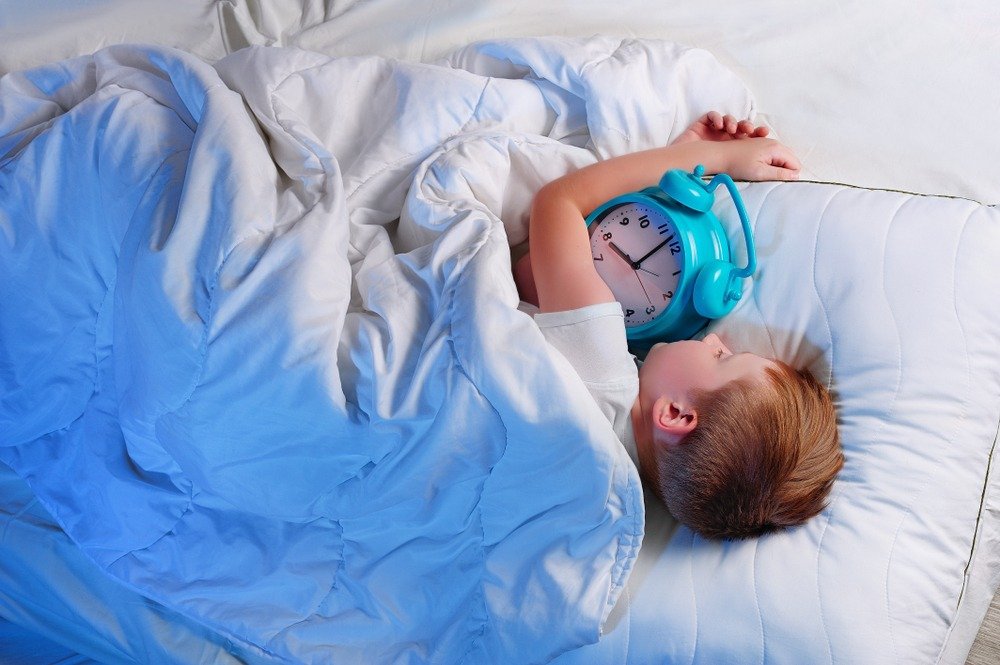
- Parents of babies with eczema typically experience disrupted sleep. This has a huge impact on stay-at-home carers who typically cover the ‘night shift’ so their partners can work effectively the next day. Now is the time to lean into your support network and ask for help.
- Taking your full parental leave entitlement so that you can give your partner a break can make a huge difference as well as giving you the chance to spend time with your child.
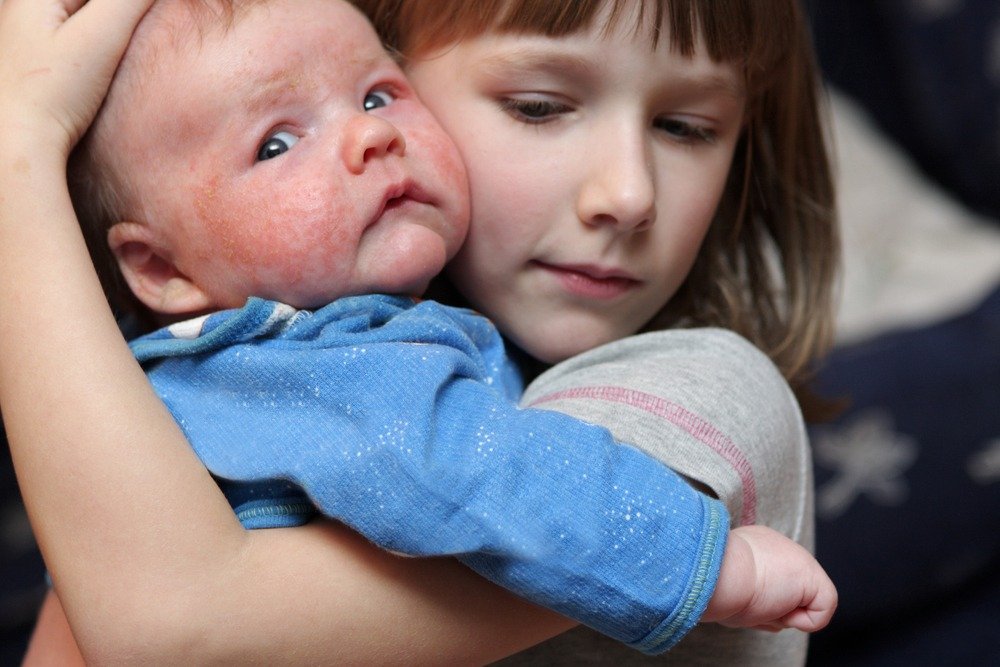
- Siblings can experience feelings of unfairness and resentment due to the extra attention and resources dedicated to the child with eczema. Small changes like referring to ‘eczema shampoo’ instead of ‘special shampoo’ can make a big difference.
- It’s important not to let your child’s eczema impact every aspect of family life. With a bit of planning, a few adjustments and some practice you should be able to do the vast majority of things that all families enjoy.
Impact on the stay at home carer
Eczema tends to appear at around 3-4 months, before most parents’ parental leave is up. So in most cases the initial eczema diagnosis and treatment will be dealt with by a stay-at-home carer. For new parents, what initially looked like being a lovely 6 months away from work to get to know your new baby, suddenly looks very, very different.
Personally, I found the ongoing broken nights hardest to deal with. Just as my NCT friends’ babies were starting to sleep for longer, my son started scratching so much that he woke himself up multiple times each night. I really struggled with the lack of sleep. I was functioning, but only just and certainly wasn’t safe driving.
This is where your network comes in, family and friends are invaluable. Explain the situation and ask for help. Sometimes the most mundane help is the most useful: popping to the shops, watching the baby while you have a shower, hanging out the washing. Most friends will step up to the mark and some. Of course, some of the help won’t be done the way you would have done it, but let that ride. One lovely set of our friends made a point of loading the dishwasher for us every time they popped around with a food parcel. Read more here.
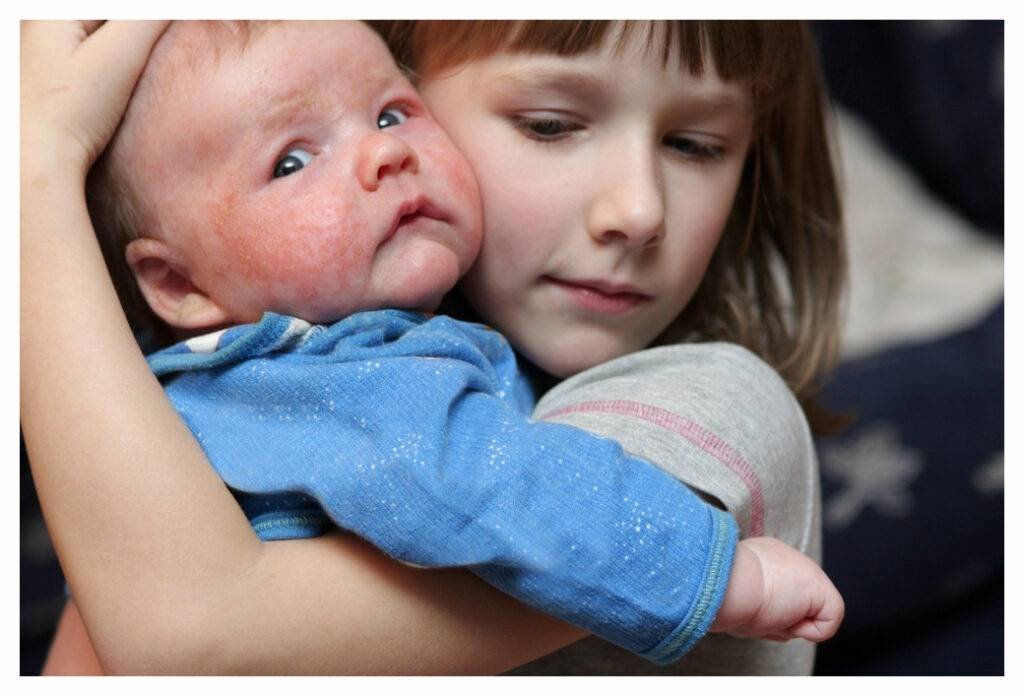
Sometimes, just having an adult to talk to can make all the difference. If you’ve just moved to a new area, try every available baby group until you find one with people that you really get on with. Actually, this works well even if you’ve lived in the same place for a while. My NCT friends are brilliant – we still meet up now. Eczema is really common (around 20% of kids will have it at some point) you’re likely find another parent in the same situation. If you need more support Eczema Outreach Support is a brilliant charity, dedicated to supporting families with eczema children.
How eczema affects the working parent
In all probability, one parent is going to have to go out to work to keep the roof over your heads. While this can seem like the easier option, the working parent gets to feel the guilt of escaping from the house and leaving their partner to deal with the extra work that eczema brings with it. Being away from home during the day can leave the working parent feeling out of touch and unable to help. This is especially true if the eczema genes come down their own side of the family.
Bringing money into the household budget is really important, but eczema has impacted the family and workload just increased significantly. Both parents are going to need to do more. This is where you need to be talking to each other. What can the working parent do to help? Can they sort out an online grocery shop in their lunch hour? Would it help if they put a load of washing in or loaded the dishwasher before they left for work? Can they research anything during their commute?
Taking your full parental leave and even some unpaid leave (if you can afford it) will really help. Having another adult in the house during the day will take some of the stress off your partner; just being able to take a shower is a luxury for a stay-at-home carer. If you can, take a few days off every month to be your child’s primary carer. Send your partner out to do something fun (or just let them sleep). By spending full days with your little one, you can not only build your relationship but also it will give first hand experience of what your partner is dealing with day in, day out. You may even spot some possible improvements to the daily routine, there’s nothing like a second set of eyes.
Especially for dads
It’s a sad reflection on our society that there is still unconscious bias in our medical services. Mums are still often viewed as over-emotional and irrational when it comes to dealing with childhood ailments. If your partner feels like she isn’t being listened to by the medical professionals, it really is worthwhile taking the time off work and taking your child to the next appointment yourself, just in case there is some unconscious bias occurring. This is where those days, you took off work to be the primary carer will come in handy.
As a dad of an eczema baby, it’s really important to watch for signs of postnatal depression in your partner, especially in the early days. The lack of sleep and stress associated with looking after a poorly child makes it more likely in eczema mums.
Impact on siblings
If you have more than one child, you’ll be trying to treat them equally. Ensuring they both feel loved and supported without favouring one over the other. But when you’ve got a child with eczema, you can find yourself torn in all directions. A child with eczema will necessarily demand more of your time. Their skincare routine alone means they need more of your time every day, and itchy flare-ups are even more demanding. There is no way that one child’s eczema can not impact on family life.
But it’s not just time which is diverted. There are other ways in which the sibling of a child with eczema can feel left out. For example, it’s all too easy to build a little world of ‘special wash powder’, ‘special food’ and ‘special soap’ for children with eczema. Most of us do so unwittingly. However, for a sibling it can feel like their sibling is getting all the special treatment. It can also feel like the eczema sibling is getting away with more ‘bad’ behaviour. When an eczema child regularly wakes up in the night and gets calm, kind parental attention, but their sibling without eczema gets sent back to bed, it’s not surprising if resentment grows.
Some of these things are relatively easy to avoid. Using the same products for the whole family wherever possible removes the ‘special’ label. If that’s not possible, naming things as ‘eczema-friendly food’ or ‘eczema soap’ and allowing siblings to try them should have the same effect. Other things, like the sharing of parental time, are much more difficult to manage. Things that can help are:
- Talking about eczema and acknowledging how it impacts the whole family. Encourage siblings share their frustrations and perceived unfairness. There are some useful books available that explain eczema to children of various ages.
- If possible involve siblings in eczema treatments to free up your time to be with them e.g. getting the bath to the right temperature or helping to distract their sibling while you apply the creams. Siblings can also be really helpful in discouraging scratching. Teach them to use distraction tactics to stop the scratching rather than just saying ‘Don’t scratch!’.
- Scheduling one-on-one time with each child to do something that they particularly enjoy. We have a lot of painted pottery in our house for exactly this reason!
You can read more here.
Keeping things normal
It’s important not to let your child’s eczema impact every aspect of family life. With a bit of planning and a few adjustments, you should be able to do the vast majority of things that all families enjoy.
Holidays will involve a bit more luggage and you may decide to stay local for the first few trips. Swimming lessons can even be beneficial for some eczema babies and kids, but you may need to do some research into how the local pools are maintained. Salt, UV and ozone systems tend to be less drying than heavily chlorinated pools. But swimming in chlorinated water can be really helpful in clearing skin infections.
Remember to take photos, even if your child’s skin is obviously inflamed. We didn’t realise that we hadn’t been taking many pictures of our itchy son until his less itchy sister arrived.
This is the round-up article for our Eczema Family Life topic. You can find more articles on this subject by following the links in the text or by scrolling through the articles below.
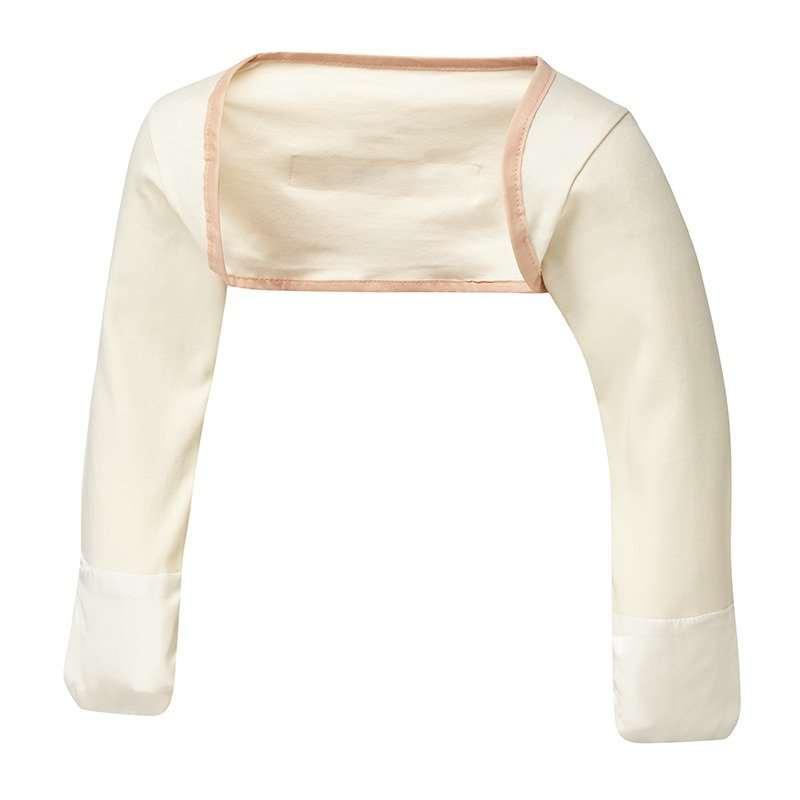
Here at ScratchSleeves we don’t just write about our experiences bringing up our itchy little ones, we also sell our range of stay-on scratch mitts and sleepwear in our webshop. Now available in sizes from 0-adult.