We've updated our website. Please let us know if you come across any glitches.
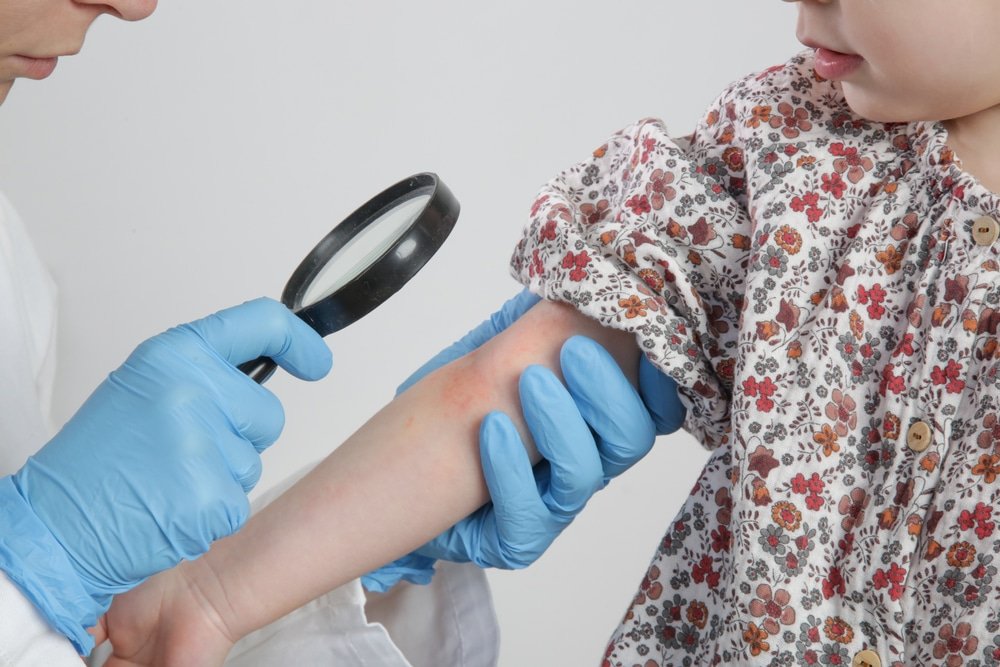
GPs are well supported by clear NICE guidelines1 and can treat most cases of childhood eczema successfully. If the eczema is straightforward and your child responds well to the mainstay treatments of emollients and occasional cortisones, you need read no further.
For those of you still reading it is likely that you feel that the solutions offered by your GP are not solving the problem and you want to see a specialist skin doctor. Booking NHS dermatology appointments is not as straightforward as booking GP appointments as you will need to get a referral first. GPs can only make referrals when they are exhausted the standard treatments laid out in the NICE guidelines or other criteria have been met. You can find our more about navigating eczema treatment on the NHS here.
According to the General Medical Council (GMC) “Referral is when you arrange for another practitioner to provide a service that falls outside your professional competence.“
In other words, a GP referral is to see another healthcare professional for specialist tests, treatment or care. Whilst it is typically doctors who issue referrals, nurses and other healthcare staff may be able to provide one too.
Typical reasons for referral include:
You should expect a discussion with your GP about their reasons for referring your child and any tests or treatments which they are recommending. You may be given a choice of where you go and who you see, although this is dependent on your local services.
On the plus side NHS dermatology appointments are free. However, waiting times can be long. Furthermore, the process of trying all the front-line treatments through your GP first in order to be eligible for a specialist appointment can be time consuming and frustrating if you find them all to be ineffective.
If you have private healthcare insurance cover which includes your child, you may be able to speed up the appointment process. Some providers require a referral letter from your GP. Others may accept your request for a dermatology appointment without one. The advantage of going through an insurer is that they will have a list of suitable hospitals and clinics. They will also be able to guide you through the process of finding the right dermatologist for your child and booking the appointments.
Whilst you will typically be seen much faster than with the NHS, private medical appointments can incur significant costs even if you have existing medical insurance as most policies have an annual excess. However, you may be able to access more expensive treatment options sooner than you could with NHS care.
The third option is to make a direct appointment with a private clinic. You will need to research the clinic and the practitioner carefully to ensure they are suitable. Not all private clinics accept patients under the age of 18. It’s worth making an initial enquiry call to their receptionist before you do anything else. Most private clinics will charge a basic consultation fee just to make the appointment.
If you are unsure, check the medical register or search the doctor up online. You will commonly find that private consultants also do NHS work.
The NHS follows an established process for record keeping. Your child’s medical history and notes will be universally available across all departments of the service for both viewing and updating.
However, if you do go down the private route, the consultant usually won’t have access to your child’s medical records. You may need to request that a copy of these are sent to the consultant. Details of private treatments should be sent to GP in form of a letter, but this information may not make it onto your child’s digital records. It’s wise to let your GP know about any private medical treatments when you next see them. This means you can be sure that they have received and recorded the details correctly.
Once you have made your appointment, whichever route you decide to go down, you will need to take some time to prepare your questions and concerns in order to maximise the time you have. You may find our post on getting the most from your child’s dermatology appointment useful.
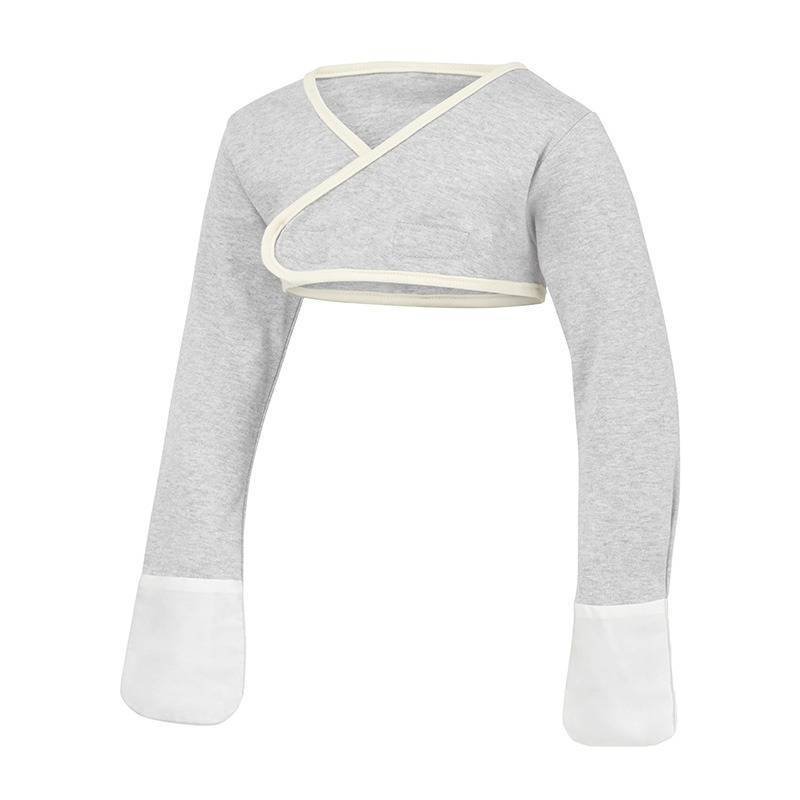
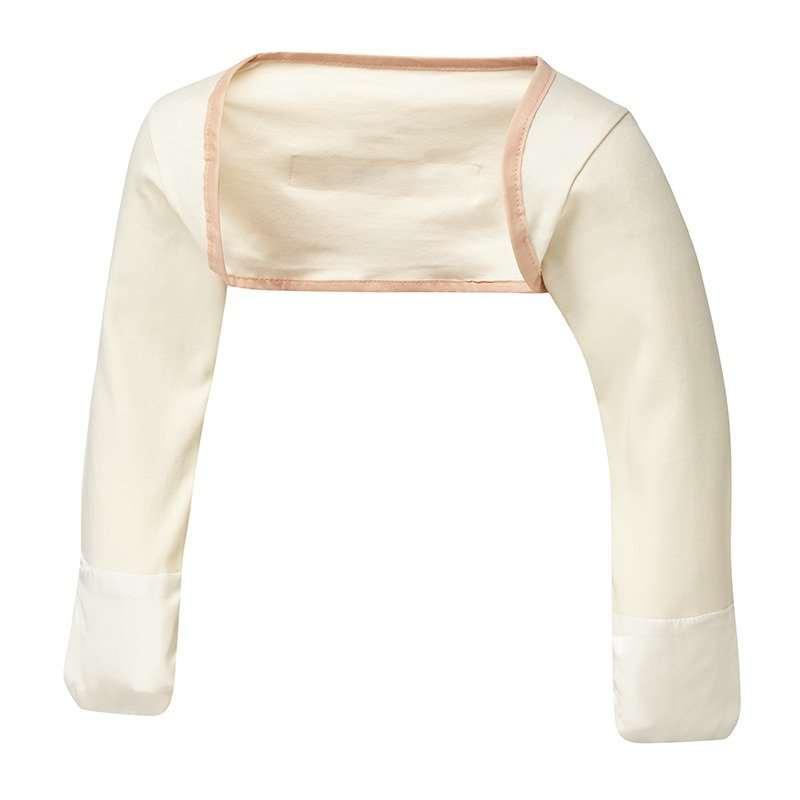
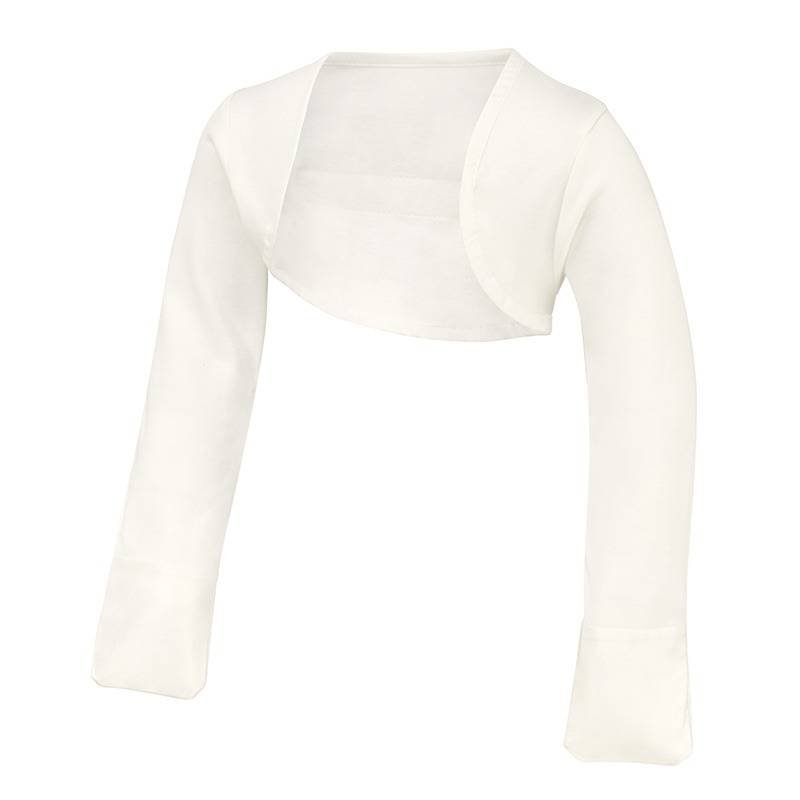
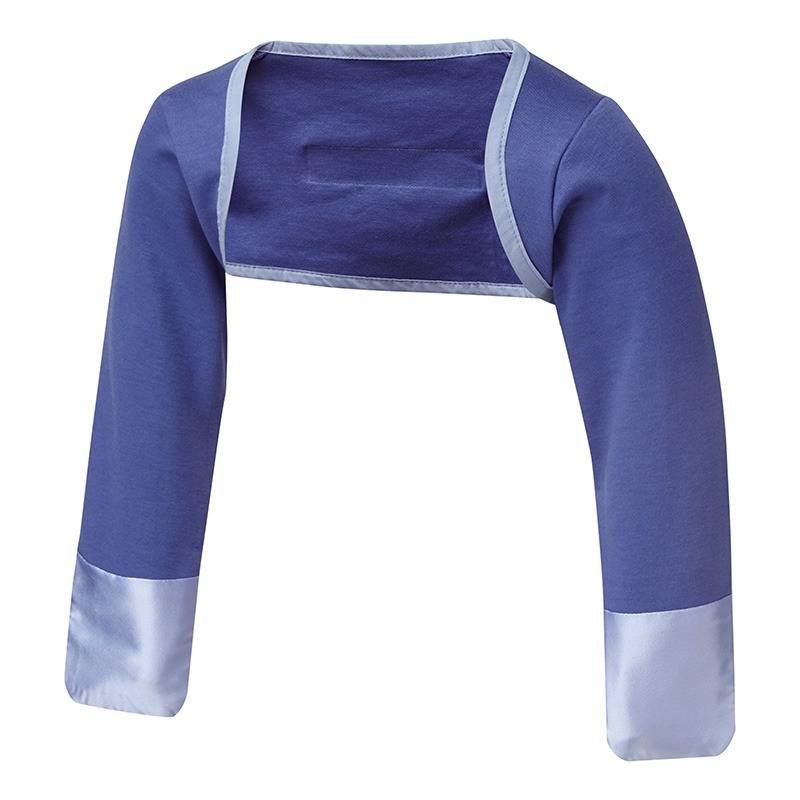
Here at ScratchSleeves, we don’t just share our experiences of bringing up an eczema child and favourite allergy-friendly recipes, we also manufacture and sell our unique stay-on scratch mitts and PJs for itchy babies, toddlers and children. We now stock sizes from 0-adult years in a range of colours. Visit our webshop to see our range of eczema friendly clothing for babies, children and adults.
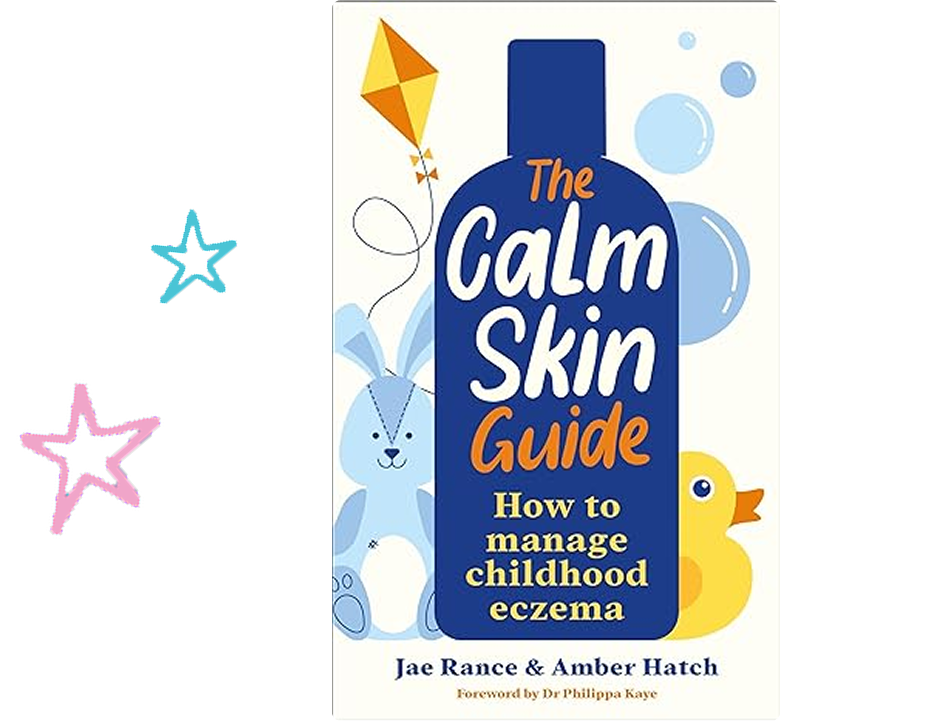
The Calm Skin Guide
Our guide gives parents the knowledge and tools to manage the condition, from understanding treatments to identifying triggers at home.
As well as sharing our experience of bringing up an eczema child (and favourite allergy-friendly recipes), we also manufacture and sell our unique stay-on scratch mitts and PJs for itchy babies, toddlers and children. We now stock sizes from 0-adult years in a range of colours and designs.
Perfect for wrigglers


Original Cream

SuperSensitive

Special Edition


Perfect for wrigglers
Original Cream
SuperSensitive
Special Edition