We've updated our website. Please let us know if you come across any glitches.
Ringworm starts as a rash with tiny red pimples, usually around 4-10 days after infection. The pimples spread over the next few days and usually form a 1-3 cm round or oval ring (which is where the name comes from, nothing to do with worms!).
The ring’s edges are red and raised and can be scaly. The skin inside the ring may look pink or almost normal. If left untreated the rings can break up and new rings will start to form over a larger area.
On the scalp, ringworm usually looks like a small spot which will then become scaly, flaky and itchy. These flakes can be confused with dandruff but in contrast to dandruff, ringworm is itchy.
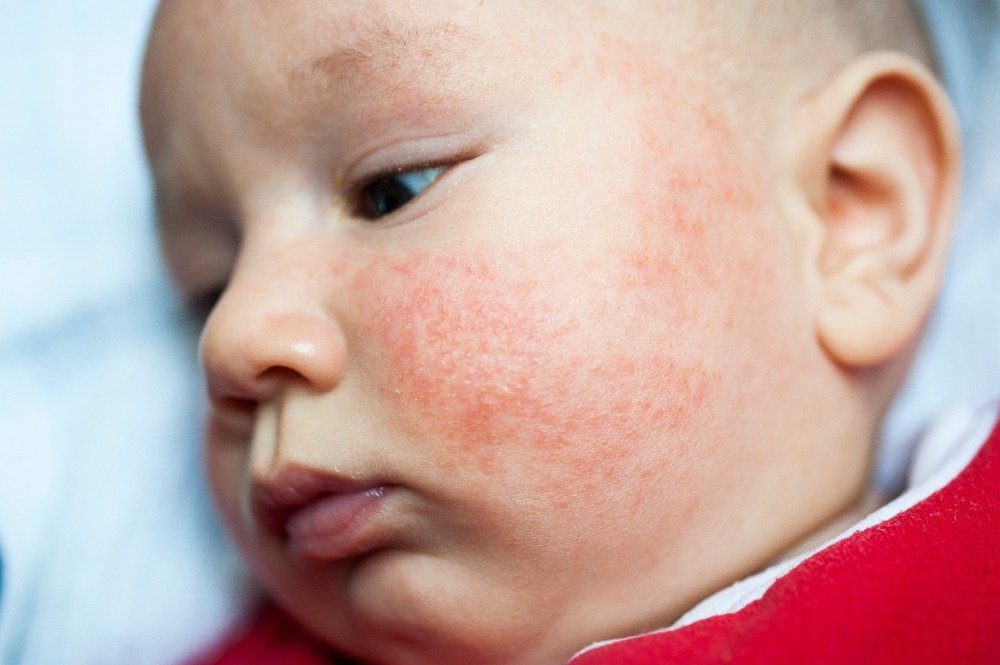
Eczema can look very similar to ringworm in some people. This is particularly true of discoid (or nummular) eczema which typically occurs in coins sized, circular patches. Like ringworm, it is itchy and can have a burning sensation.
In contrast to ringworm, eczema patches tend to be raised and inflamed and scaly across the whole area. They are also typically larger, up to 10cm across. Another difference is that eczema tends to affect larger areas and be accompanied by generally dry skin, whereas ringworm is typically more localised.
It is important to note that not every ringworm infection develops into rings – they may simply experience patches of raised red and itchy skin, which look very similar to eczema.
If your child has eczema, ringworm can be hard to spot as their skin is already likely to be red and itchy. If infection is likely, watch for any extra reddening or persistent itching in one spot which can’t be relieved using your standard eczema treatments.
If you suspect your child has ringworm it is important to take them to see a doctor or pharmacist who can look at the rash and make a formal diagnosis. If the diagnosis isn’t clear, they may need to take a small scraping of the infected skin for laboratory examination. This is not painful for your child and is nothing for you to be concerned about.
For mild infections, over the counter cream antifungal creams and shampoos are available. These should be effective in 1-2 weeks. More acute infections may require a prescription. This prescription medicine can be topical or in syrup form. As with all prescribed medicines, your child must finish the prescribed course. Even if the rash has gone there is still a risk of cross contamination or the infection coming back.
Practical steps you can take include:
If reinfection keeps occurring, your doctor may refer your child to a dermatologist who will be able to advise further on the best treatments.
Ringworm is a type of fungal skin infection. We all naturally have fungi living on our skin, hair and nails – it may sound a bit ick, but it’s natural and all part of the unique walking ecosystem that is a human body. These fungi (known as dermatophytes) are microscopic plant-like organisms which grow best in warm, damp environments. When these fungi infect the skin through damaged areas (such as scratched and broken eczema patches) they cause mild but irritating rashes.
You may also hear medical professionals refer to ringworm by the following names: tinea capitis (on the scalp), tinea corporis (on the rest of the body) or onychomycosis (on the nails). In babies and young children who wear nappies, the groin areas, thighs and bottom may also be infected. This is known as tinea cruris and is a form of nappy rash. Athlete’s foot is also a form of ringworm.
This article from Web MD provides excellent photos of the different areas affected by ringworm to give you a clearer idea of what to look for.
Ringworm is extremely contagious. It spreads via skin-to-skin contact with an infected person or animal. Minor skin injuries and weaknesses provide an opening for infection to take hold. This is why little ones with raw, scratched eczema are more prone to skin infections like ringworm. Regular use of emollients and prompt treatment of flare-ups with steroid creams helps to maintain eczema prone skin, reducing the risk of infections.
It can also spread to other parts of the body if it is scratched and then another unaffected area is scratched. Prompt treatment and good hand hygiene is really important to minimise spreading. Ringworm can also be spread by stroking or playing with infected animals, sharing combs, hair brushes, towels, sheets or hats among other things.
As soon as treatment has started your little one should be fine to return to nursery or preschool. However, it is worth ringing them to make sure as they may have their own policy regarding infections like ringworm.
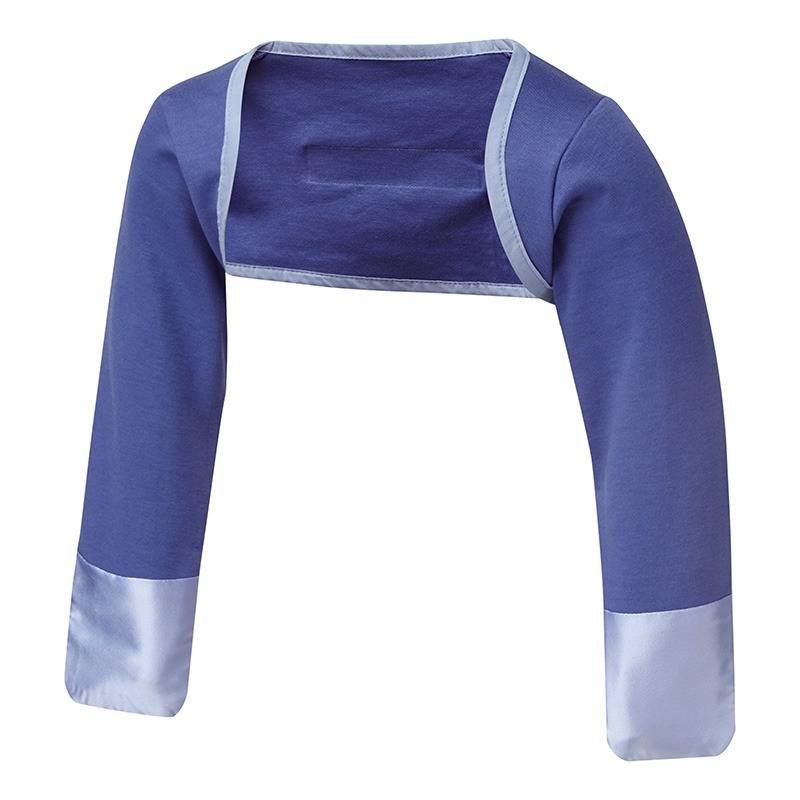
As well as sharing our experience of bringing up an eczema child (and favourite allergy-friendly recipes), ScratchSleeves also manufacture and sell our unique stay-on scratch mitts and PJs for itchy babies, toddlers and children. We now stock sizes from 0-adult in a range of colours. Visit our shop for more information.
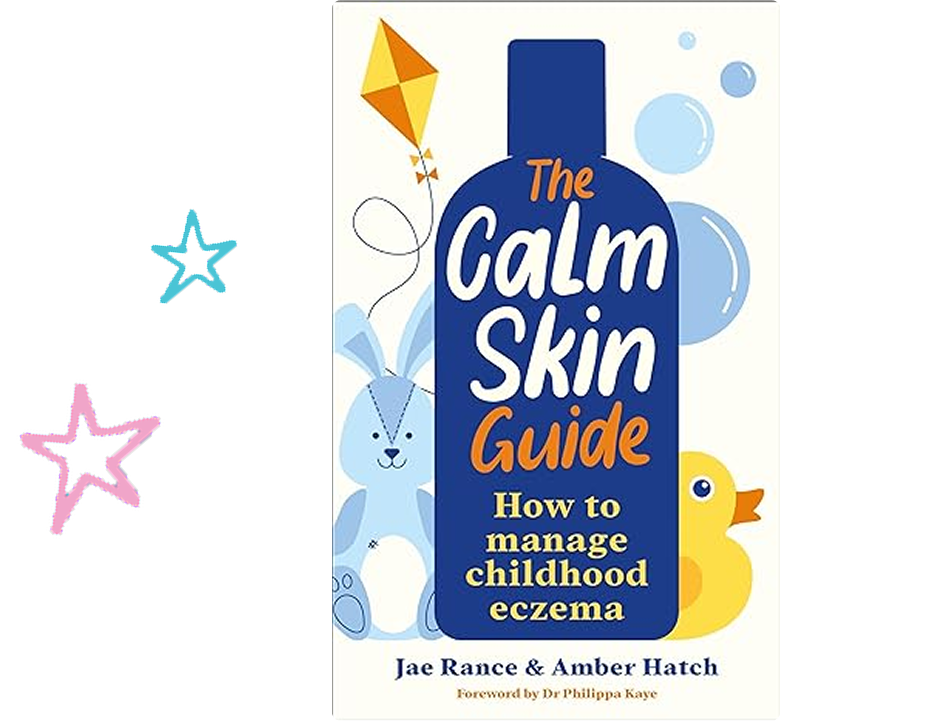
The Calm Skin Guide
Our guide gives parents the knowledge and tools to manage the condition, from understanding treatments to identifying triggers at home.
As well as sharing our experience of bringing up an eczema child (and favourite allergy-friendly recipes), we also manufacture and sell our unique stay-on scratch mitts and PJs for itchy babies, toddlers and children. We now stock sizes from 0-adult years in a range of colours and designs.
Perfect for wrigglers


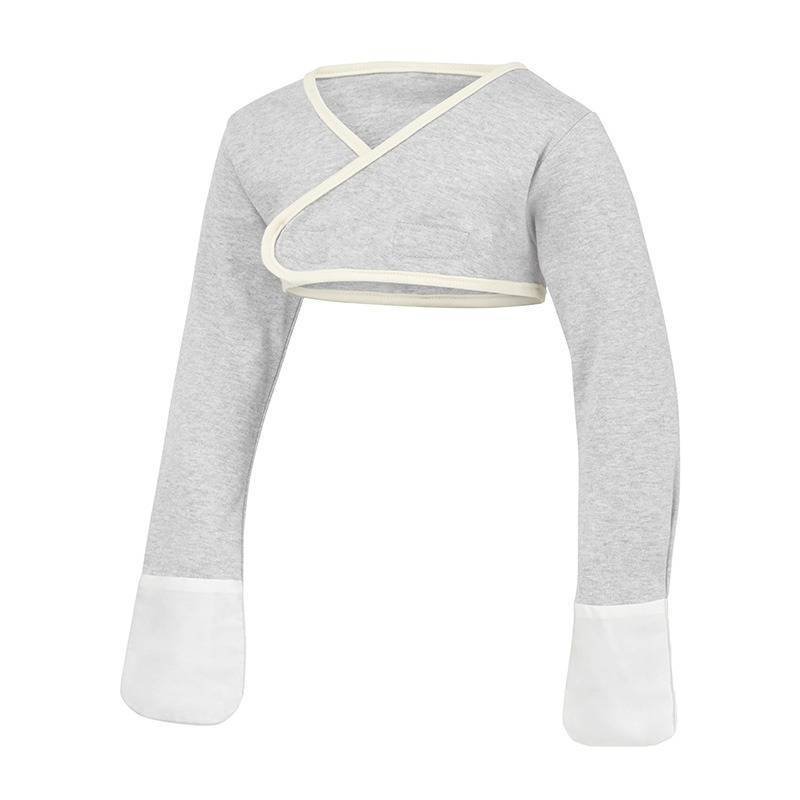
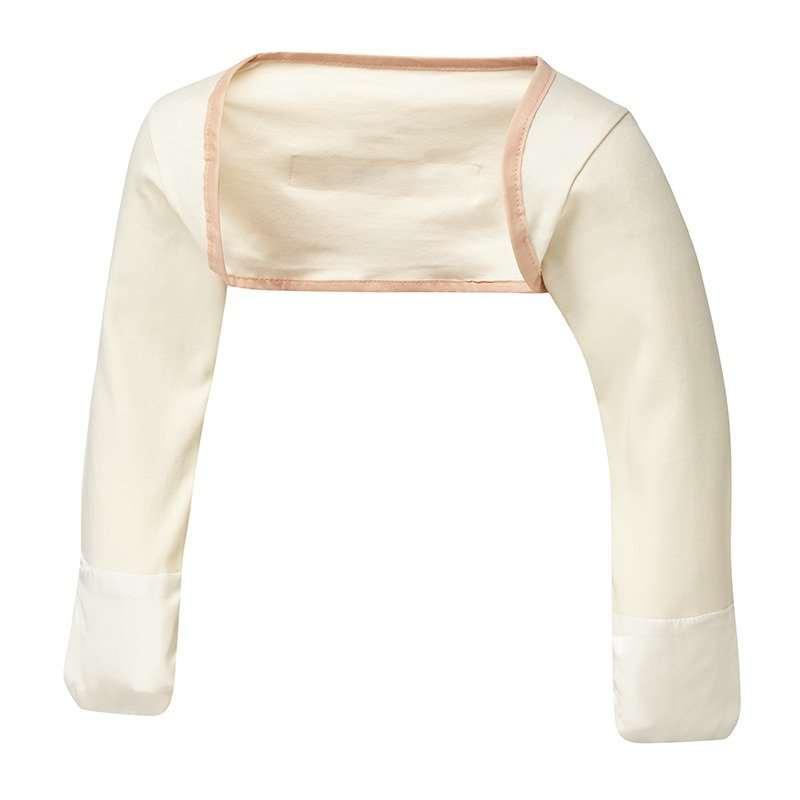
Original Cream

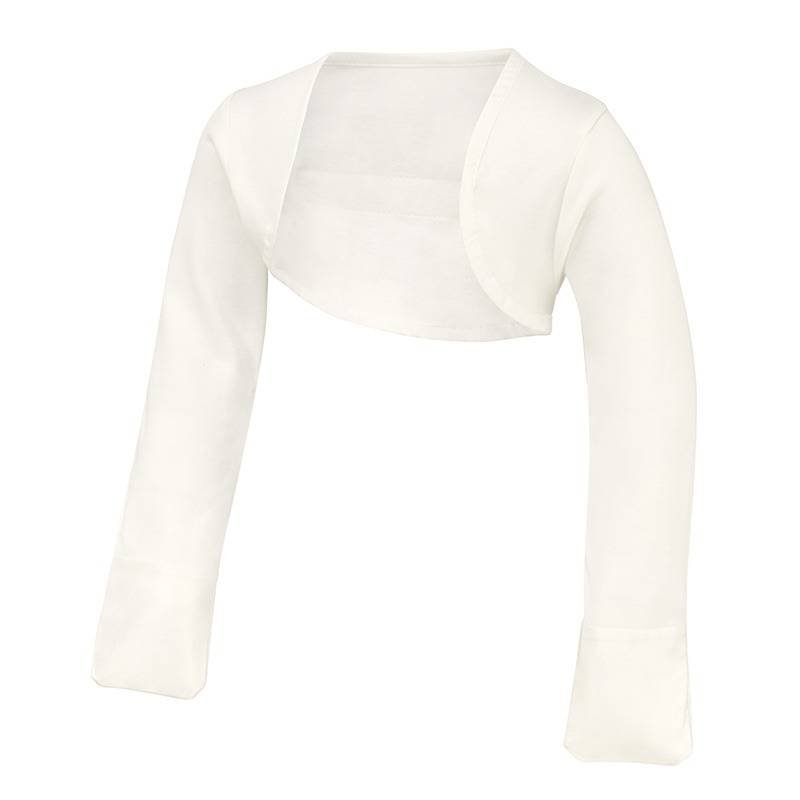
SuperSensitive

Special Edition


Perfect for wrigglers
Original Cream
SuperSensitive
Special Edition