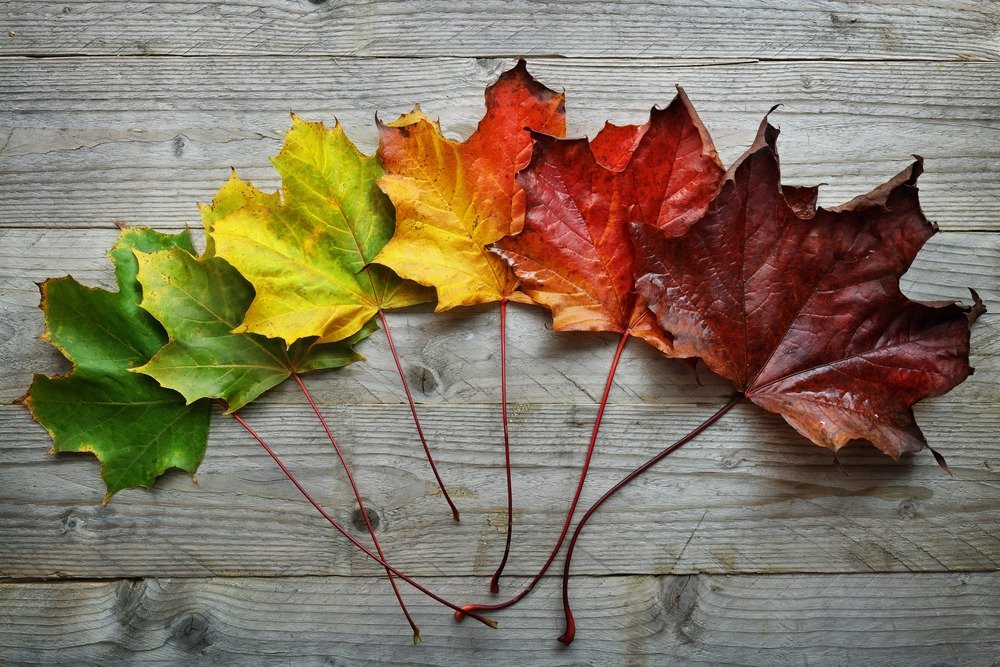
Our skin is the barrier between our bodies and the outside world. If the skin barrier is compromised by eczema, it is often more sensitive to changes in the temperature, humidity, airborne particles and our clothing. The changing seasons have a huge impact on eczema. Then there are the various holiday traditions that mark the passing of the year. Easter Eggs, summer trips to the seaside, Christmas trees and winter holidays. We look at how all of these can impact your child’s eczema.
- In winter, changes in temperature and humidity as you go from inside to outside can aggravate eczema. Stepping up your skincare regime and switching to a heavier, more greasy emollient can help.
- Increasing pollen levels in the spring can trigger eczema flare-ups in some people. These flare-ups often, but not always, occur around the eyes. In these cases antihistamines may help.
- Eczema often gets better in the summer although sweat can aggravate eczema. Some people find that salt water bathing can be helpful (although it will sting to start with), others find it too drying. In both cases, washing off the salt (sweat or sea related) promptly will help to minimise irritation.
Why does the weather affect eczema so much?
Some of the most common eczema triggers are linked to seasonal changes. But why is weather such a problem? Eczema weakens the skin barrier that protects us from the outside world. This makes eczema sufferers particularly sensitive to changes in the environment. The damaged skin barrier means that the skin is less able to retain moisture and less able to prevent airborne allergens like pollen from entering the body.
When the humidity is low, the air will suck moisture out of the skin. This means everyone’s skin gets drier in low humidities, but it’s especially problematic for eczema sufferers. When already dry skin gets drier, it gets more itchy and it doesn’t take much for eczema to flare up.
Winter itches
In the UK outdoor humidity is rarely a big problem. Instead, it’s changes to indoor humidity that typically causes seasonal eczema flare-ups. Here at ScratchSleeves, we know to expect a big increase in sales in the few weeks after the nation’s central heating gets turned on.
Most eczema sufferers find that it helps to use a heavier, more greasy emollient in the autumn. When Spring comes, switching to a lighter, less claggy brand is often more comfortable.
The heavier clothing that we need in the colder months can also make eczema worse. Being too hot makes eczema itchy, so dressing your eczema child in layers that you can adjust easily can make all the difference.
Avoiding Christmas eczema triggers
Decorating the Christmas tree is one of the Christmas highlights for our kids. However, the sap from natural trees and dust held in artificial trees can be problematic for sensitive skin. Giving the tree a good hose down in the garden before bringing it in helps. Long sleeves and through hand washing are also necessary.
Big family Christmases can be lovely. But if your eczema baby is sensitive to detergents and fragrances, all those cuddles with loving relatives result in itchy skin. If you can, ask relatives to cover their clothes with a clean muslin while they are cuddling. A mention of possible reflux will usually persuade them! If you’re staying with relatives for any length of time, take some of your laundry detergent with you.
Springtime flares
For most seasonal eczema sufferers the warmer weather sees an improvement in their eczema symptoms. But, any hayfever sufferer will tell you that the high pollen levels in spring can make it miserable. Pollen can also be an eczema trigger. If your child’s eczema flares at this time of year, especially around their eyes, you may find that antihistamines help. An air ioniser air purifier in their bedroom can also help. Remember to dust regularly with a damp duster if you go for the ioniser option.
The widely fluctuating spring temperatures can also aggravate eczema. As in winter, dressing your child in thin layers that you can easily adjust can help. Switch to a light, windproof jacket rather than the bulky winter coat. As temperatures rise remember to switch winter duvets for lighter ones.
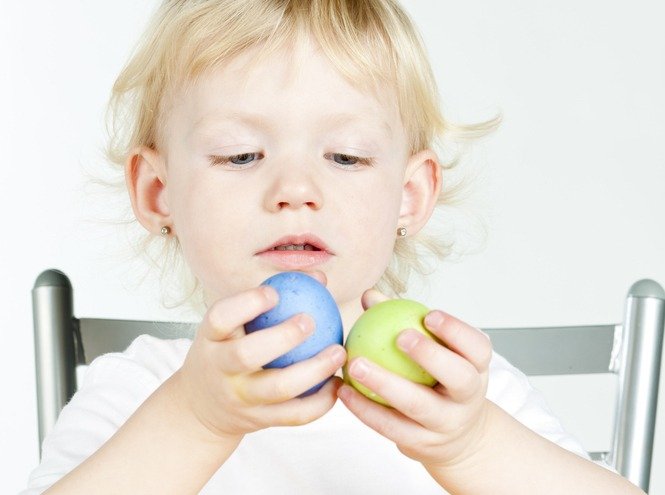
Eczema-friendly Easter
As a child, I had to avoid milk and therefore chocolate which made Easter more than a little disappointing. While there are now plenty of allergy friendly Easter Eggs available. Most of these are aimed at adults rather than children. Visit our articles on making Easter fun for kids with allergies.
Eczema in the Summer
Eczema is usually much better for eczema children in the summer months. Not least because sunshine increases the amount of skin supporting vitamin D that the body can synthesise. However, summer does bring its own challenges for an eczema parent. How to go about finding a sunscreen that doesn’t cause a flare up? Will swimming in the sea make my child’s eczema better or worse? How can I keep my child cool enough to sleep well on a hot summer night. We’ve covered all of these challenges in other blog posts. Use the Search feature to read more.
One summertime eczema trigger is sweating. Although most young children won’t sweat heavily, even a little sweat can be irritating. Sweat contains salts that can irritate the skin, especially in areas where it can get trapped like the the backs of the knees. It’s not always possible to stop children getting hot and sweaty, especially when they start school. Instead try to minimise it. Dress your child in loose-fitting, breathable clothes and stay out of the sun as much as possible. A quick rinse in the bath or shower will help too.
Holidaying with an eczema child
Summer is also the time for holidays. Taking an eczema child on holiday can seem daunting, but it really is just a case of planning ahead. When it comes to emollients and creams, pack more than you think you’ll need. Plan for the worst and hope for the best. There’s nothing worse than having to traipse around the local pharmacies trying to replenish your dwindling supplies. You can find more top tips here.
Travelling long distances with an eczema child can be tricky. Some children will use car journeys for a surreptitious scratch while air travel, especially long haul, is very drying to the skin. Follow the links for tips on dealing with these challenges.
Autumn eczema
As the weather starts to get colder and everyone starts heading indoors for the winter, many eczema sufferers find that their skin is becoming drier and more itchy. There are a number of reasons for this including the drying effect of the central heating and harsher weather; increasing mould and fungi spores (both inside and outside); spending more time indoors where house dust mites are found; and seasonal coughs and colds putting more pressure on an already unbalanced immune system.
With eczema children, one of the first signs that it’s time to up their emollient regime is dry lips. Try to discourage your little one from licking their lips (easier said than done!). While it will feel better for a few minutes, it will make the problem much worse in the long term. Vaseline lip balm tins are our go to solution, they fit in a pocket and Vaseline stays soft even in the cold, so doesn’t drag on sore skin when applied.
This is the round-up article for our Seasons and holidays topic. You can find more articles on this subject by following the links in the text or by scrolling through the articles below.
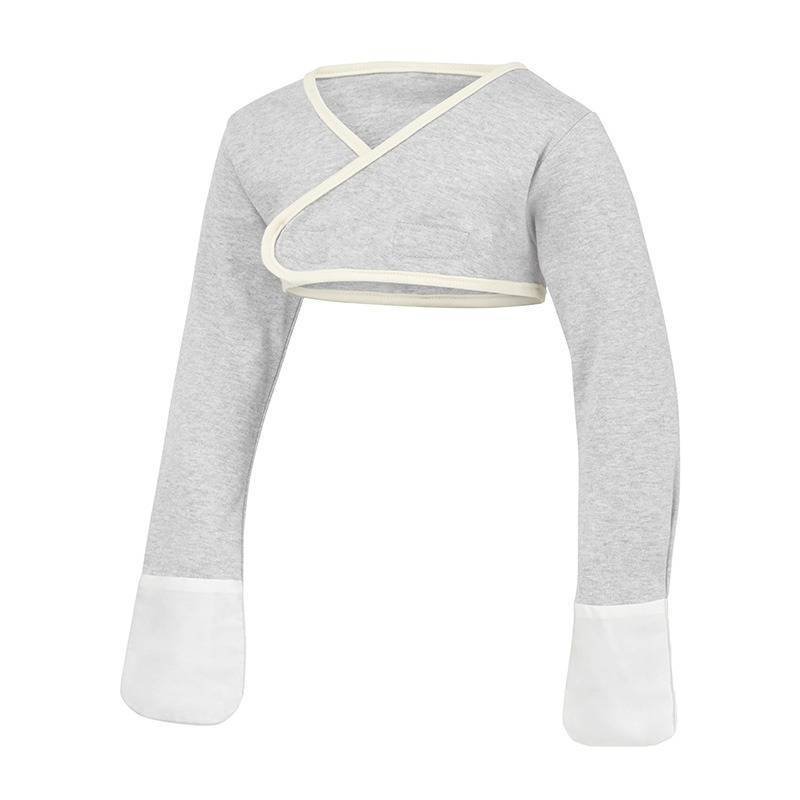
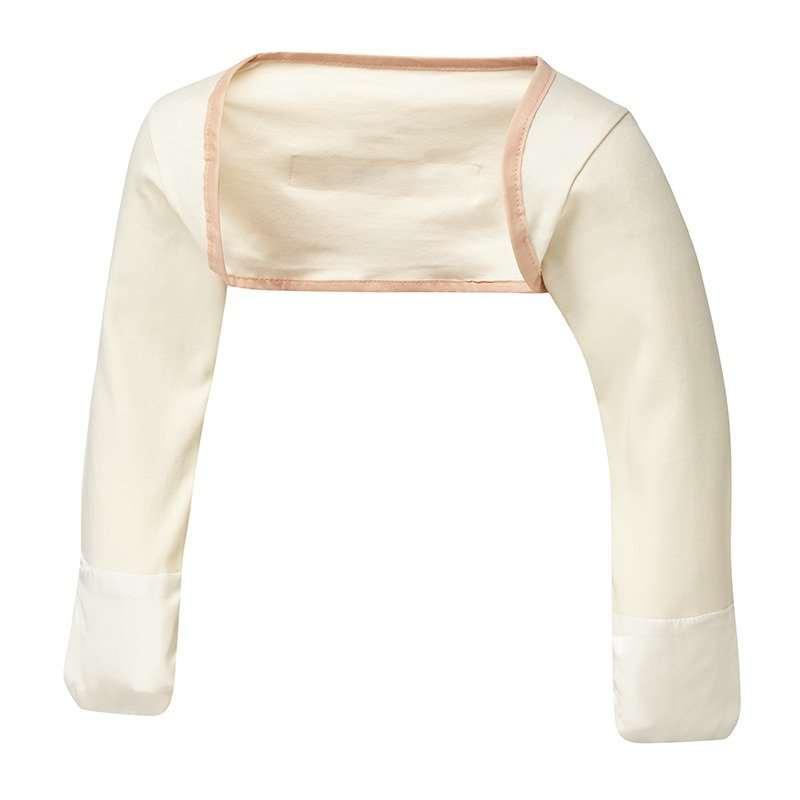
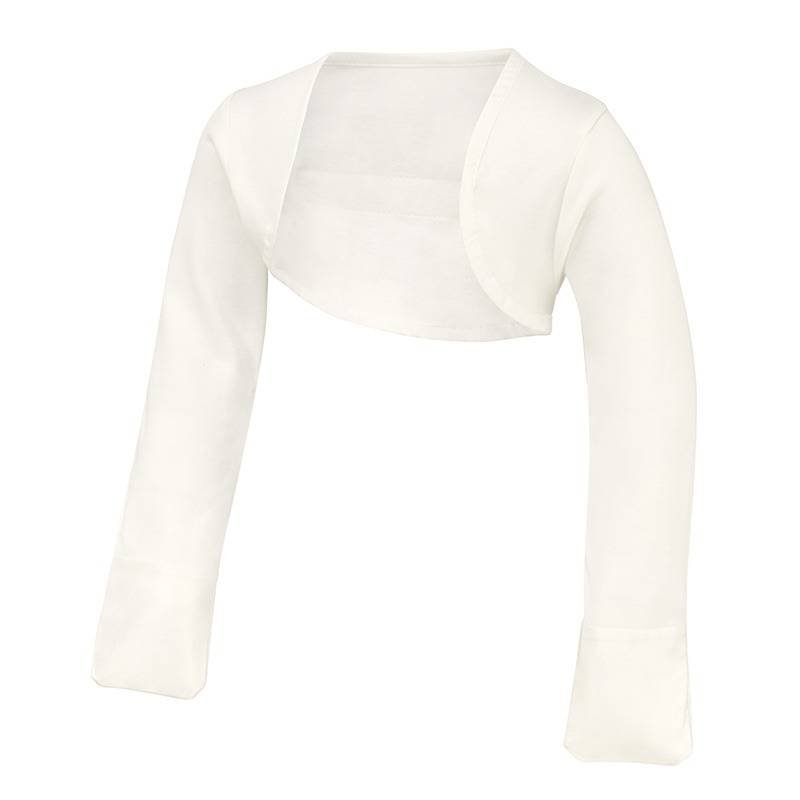
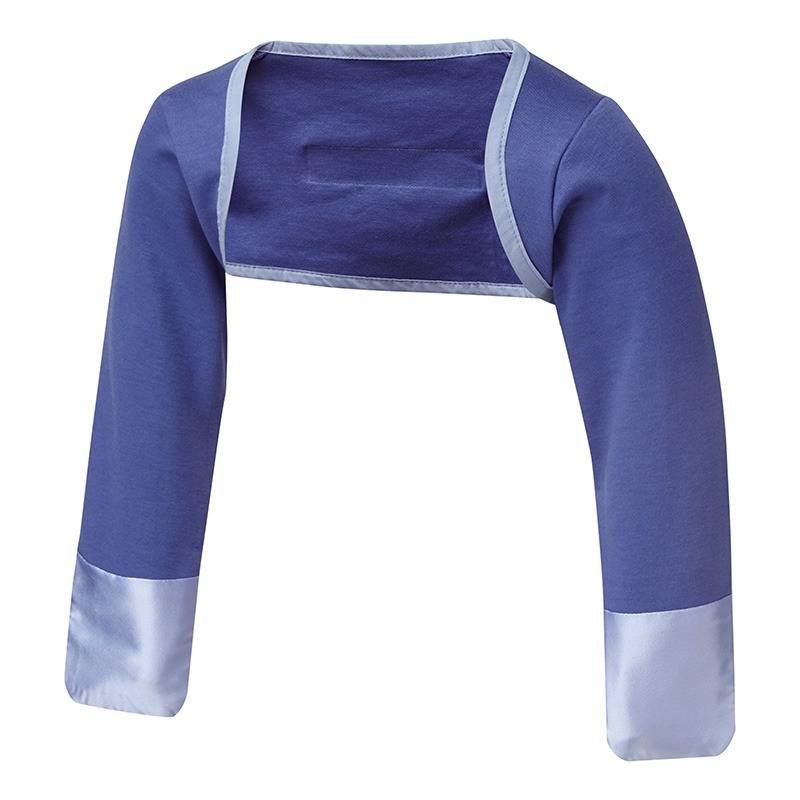
Here at ScratchSleeves, we don’t just share our experiences of bringing up an eczema child and favourite allergy-friendly recipes. We also manufacture and sell our unique stay-on scratch mitts and PJs for itchy babies, toddlers and children. We now stock sizes from 0-adult years in a range of colours. Visit www.scratchsleeves.co.uk to see our range of eczema friendly clothing for babies, children and adults.