The current cold snap may be a great excuse to light the fire and cosy. However, it’s not without its problems for sensitive skin. One of the issues at the moment is chapped hands. Here at ScratchSleeves HQ, we’ve decided it’s time to write down our tips on dealing with this particularly painful problem. When hands have gone past being dry and rough to having fissures and cracks (and sometimes even bleeding) it’s time for action.
We look at why kids hands are so prone to chapping, ways to minimise the risk of chapped hands and how to treat them.
Visit our sister site, Tepso.co.uk for a more adult take on managing chapped hands.
Why do kids hands get chapped in winter?
Gloves are a lifesaver, especially windproof ones – cracks heal faster if protected from air exposure. If your little one is inclined to forget to put them on or indeed abandon one somewhere random (a common problem we find!) go for the old school elastic through the sleeves trick.
The skin on our hands gets a lot of exposure to the elements and this makes it vulnerable to dryness and chapping.
In the winter especially the extremes of artificial heating inside and cold air outside can really dehydrate the skin. Wind is particularly drying – cold wind is even worse.
Furthermore, children’s skin is different to teenage and adult skin. It is thinner and hardly produces any sebum (the oil that protects our skin from drying out). According to the Community Practitioner website, the outer barrier layer of an infant’s skin is up to 30 per cent thinner than an adult’s. Baby skin also produces hardly any sebum (the oil that protects our skin from drying out) and contains far less natural moisturising factors. Together, these factors make infant skin far more vulnerable to becoming dry and chapped.
Add in hot baths and showers and lots of handwashing and it’s not surprising little hands can suffer!
So what can we do? – Top tips for how to cure chapped hands
Find the cause
Working out what is causing the dry chapped hands will help you to find an effective solution faster. Common reasons hands become dry and chapped include being exposed to the cold and wind, irritants like soap, and frequent handwashing.Moisturise
First and foremost moisturise, moisturise, moisturise (then moisturise a bit more). Decanting creams into cosmetic sample pots so you can always have some in your bag, in the car, in a school bag and in a coat pocket means you’re not going to be caught short. Dermatologist Ellen Marmur, MD, recommends five to six moisturiser applications a day. While this certainly works for adults but can be tricky to achieve if kids are at school or nursery all day. Apply moisturiser before school, pick up time, tea time hand washing, bedtime and adult bedtime. If it’s really severe, the school will also sort out cream at lunch and break times.Wear Gloves
Gloves are a lifesaver, especially windproof ones – cracks heal faster if protected from air exposure. If your little one is inclined to forget to put them on or indeed abandon one somewhere random (a common problem we find!) go for the old school elastic through the sleeves trick.

Moisturise after handwashing
Harvard Health Publishing advises ‘while skin is still slightly damp, apply a thick moisturiser to lock in moisture immediately and restore the skin’s barrier.’ Teach children to apply moisturiser after handwashing while their hands are still a little damp. If they are allowed a little pot of moisturiser in their pockets your child can make this part of the handwashing routine, perhaps with a small reward at the end of the day if they’ve used it all up. Make sure that your bathroom has a lever-style handle – freshly moisturised hands and round doorknobs aren’t a good combination.Moisturise and cover at night
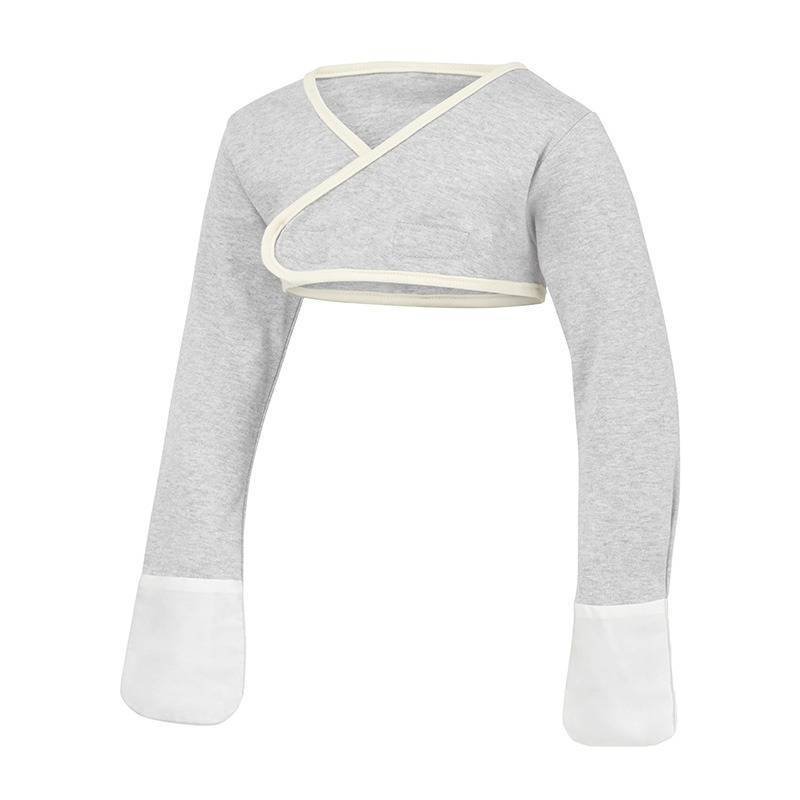
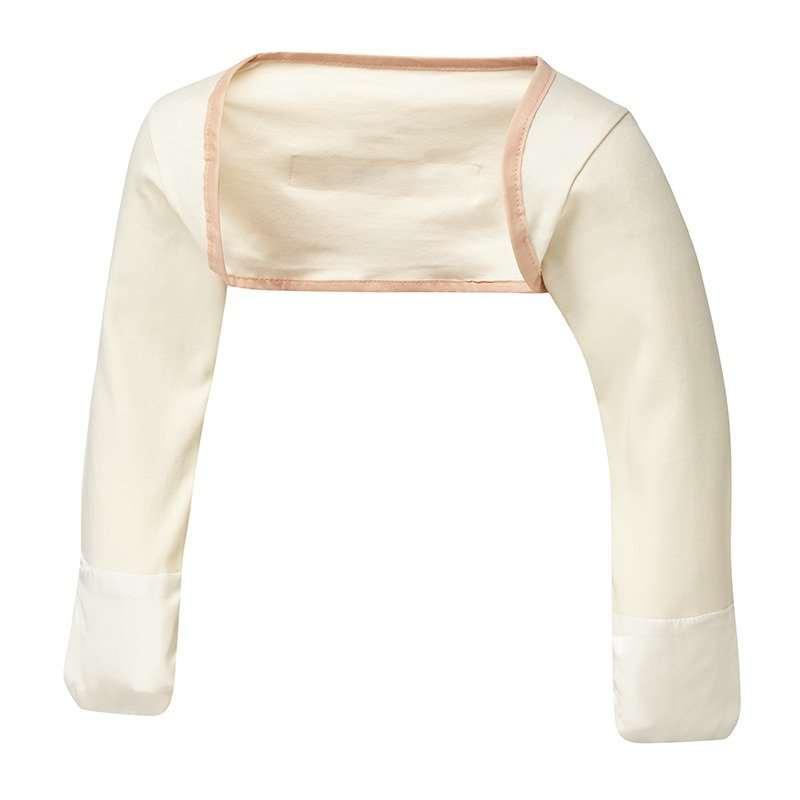
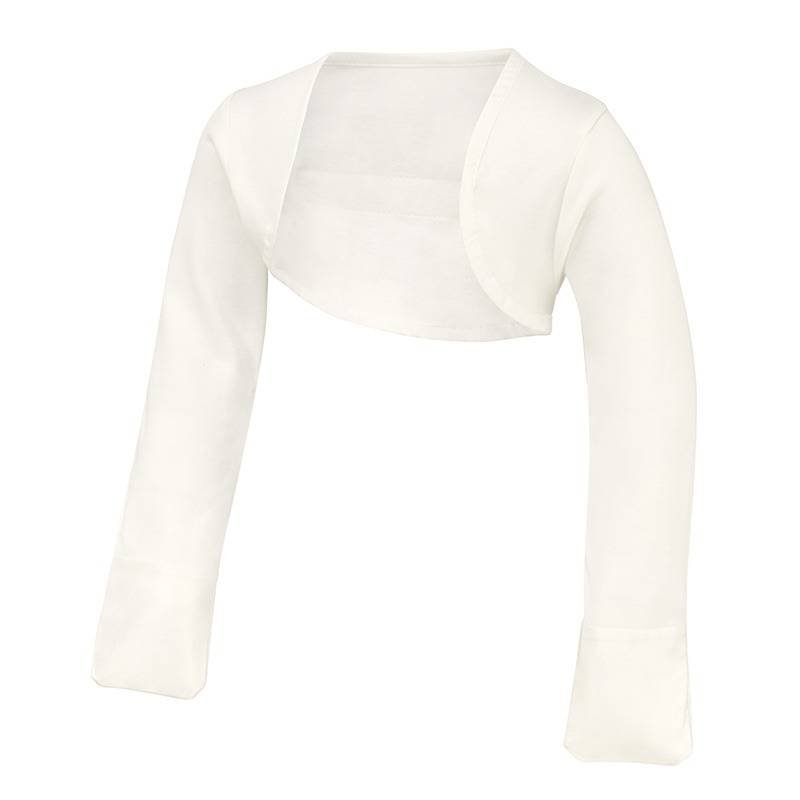
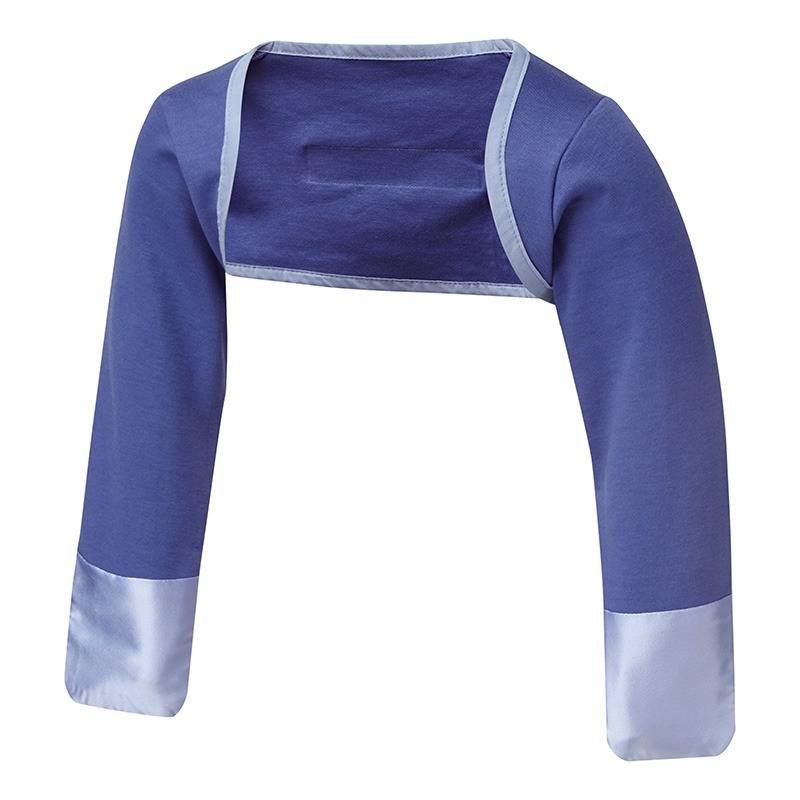
A good thick layer of emollient with a pair of ScratchSleeves on top to keep the cream in place and the sheets clean works brilliantly.Cover the pushchair
On a gusty day using the pushchair rain cover provides an effective (and still see through) barrier for your little one. If you have a child who kicks off the rain cover in protest try giving them reusable stickers to decorate their “tent” with.
If hand washing is making the problem worse check out our top tips for keeping eczema-prone hands clean and healthy.
Finding the right moisturiser for your child
So what should you be looking for in a moisturiser? You need a heavier cream rather than a lotion to provide a barrier as well as moisturise. Petroleum jelly is a reliable go-to although it can be very greasy. Other ingredients to look out for are dimethicone, cocoa and shea butter or beeswax. However, do bear in mind that the best cream is one your child will actually use. We found the petroleum and paraffin-based ones are particularly heavy on the skin and take a long time to soak in which isn’t popular.
If, like us, you have a fiercely independent child who doesn’t like creams, in general, try making it their personal product . Take them with you to try out samples. The Body Shop has an excellent range of moisturisers and lists of which products are free from specific nasties. Furthermore, they will give you sample pots to try at home. Perfect for decanting your preferred cream into as recommended above!
One more tip – we always have a permanent marker on hand at home for personalising various things. Writing their name on something gives kids ownership. They chose it, they labelled it, they feel they’ve made the decision and are more likely to use it!
And finally…
Washing hands with emollients or soap substitutes is not effective against Covid-19. Even eczema sufferers should use soap and then apply emollient.
Dermatologist Professor Sara Brown highlighted that Covid-19 virus has a lipid outer coat (a layer made of fats). This means that it’s killed by soap or detergent because that disrupts the fat – like washing up liquid lifts grease off plates – so you need soap or detergent when hand washing. While Covid-19 is still at large everyone should be using soap and water to wash their hands. This doesn’t affect guidance for eczema sufferers about using emollients for washing and bathing. Eczema sufferers should continue to bathe in soap substitute to avoid a flare of eczema all over!
Hand sanitisers contain alcohol in sufficient concentration to disrupt the viral coat. However, this alcohol will sting on any breaks in the skin and will dry the skin even more than soap does. Be prepared to step up moisturising and possibly steroid use on your hands if you find yourself relying on hand sanitizer rather than washing.
Contact your doctor if you notice any signs of infection (redness, streaking or pus).
Here at ScratchSleeves, we don’t just share our experiences of bringing up an eczema child and favourite allergy-friendly recipes, we also manufacture and sell our unique stay-on scratch mitts and PJs for itchy babies, toddlers, children and adults. We now stock sizes from 0-adult years in a range of colours. Visit our webshop for more information.