If you suffer from dry skin, it’s likely that cold, winter weather will wreak havoc with your lips. This means relying on lip balms to get through the winter. There is a huge range to choose from and not just different brands. Most brands have a selection of options including twist-up sticks, tubes, different flavours and formulations. But which ones are best for sensitive skin? We’ve tried and tested a range of lip balms for you.
Back to basics: what makes lips so dry?
Dry air, cold temperatures and wind all draw moisture away from the body. The lips are particularly vulnerable because their skin is so thin. They also lack the oil secreting properties of skin on other parts of the body. To make things worse, it’s practically impossible not to lick sore lips, which exacerbates the problem. Read more about chapped lips here.
What is lip balm (or salve)?
The main purpose of lip balm is to create a protective layer over the lip surface. This both seals in moisture and protects the lip from the elements. Some lip balms also contain ingredients to moisturise and soothe sore skin. These more complex formulations are often known as lip salves.
Lip balm comes in two forms: solid, lipstick-type twist up sticks; and, softer, spreadable ointments packaged in small pots and tubes. If your lips are very dry and cracked, you may find that the softer form is more comfortable to apply.
What’s in a lip balm
Lip balms typically have up to 3 main components:
- Occlusives – greasy or waxy substances that create a protective barrier over the skin to prevent moisture loss. Typical occlusives include paraffin, mineral oil, candelilla wax, beeswax, lanolin, sunflower oil and silicone. Lip balms composed solely of occlusives have been shown to be effective.
- Emollients – moisturising ingredients that replace lost moisture. Examples include shea butter, cocoa butter, coconut oil and squalene
- Humectants – substances that attract water from deeper in the skin or the air, further replacing lost moisture. These include glycerin, hyaluronic acid, aloe vera, honey, propylene glycol and urea.
Some lip balms also contain antioxidants such as vitamin C, vitamin E, niacinamide and polyphenols. These help to prevent damage caused by free radicals. Other possible ingredients include flavorings, colourants, sunscreens and preservatives. Some lip balms include camphor, menthol or eucalyptus which create a cooling sensation.
How to choose a lip balm
If you have sensitive skin, check the ingredients for known irritants and stick to simple formulations to avoid the risk of irritation. Look for a balm with a mix of occlusive, emollient and humectant ingredients as these tend to have a longer lasting effect than those with just moisturising ingredients.
Avoid lip balms with fragrances, tints and preservatives (including parabens) as these can cause reactions. Menthol, phenol, camphor and eucalyptus are common ingredients in medicated lip balms (such as Carmex). These are cooling agents and act as mild anesthetics to soothe irritated lips. However, in the longer term they tend to dry out the lips so are best avoided if you suffer from eczema or dry skin. Lip balms that claim to be plumping usually contain cinnamon or peppermint, which can irritate.
Tried and tested lip balms
Finding products that work is often a case of trial and error. Our team has collected their thoughts on these readily available options to help you find your perfect solution.
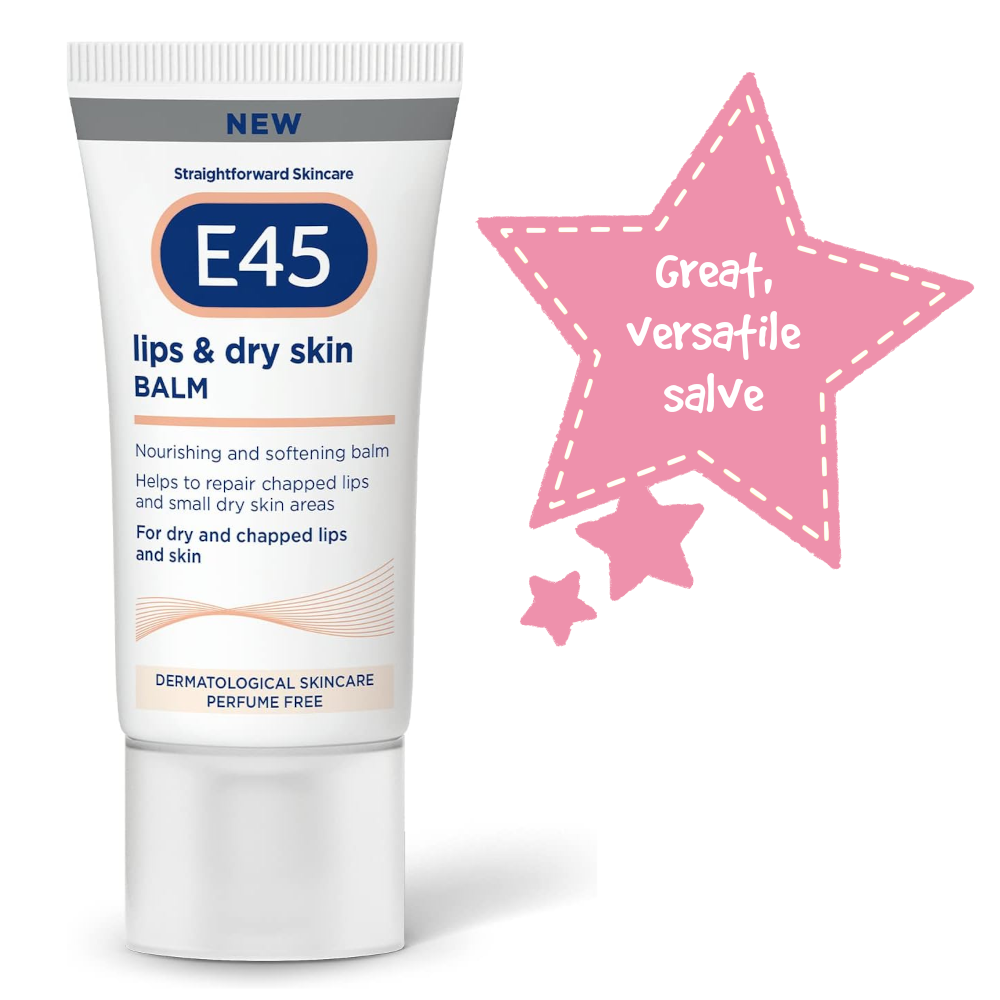
E45 Lips & Dry Skin Balm
- Great, versatile salve from this trusted brand
- Gets quite solid in the cold making it more difficult to squeeze out. Keep in an inside pocket when you’re out and about.
- Tasteless and odourless. Smooths on to lips easily.
- Has a standard screw top rather than the shaped applicator nozzle found on some tube lip balms. While not as convenient for applying to the lips, this top does make it easier to use on cracked hands, another common area in winter.
- Contains lanolin, which is a great natural, occlusive. However, it’s also a known allergen so may not be suitable for all people. Also contains petrochemicals.
- £8.99 (£29.97 /100 ml) from Amazon. Amazon stars: 4.5
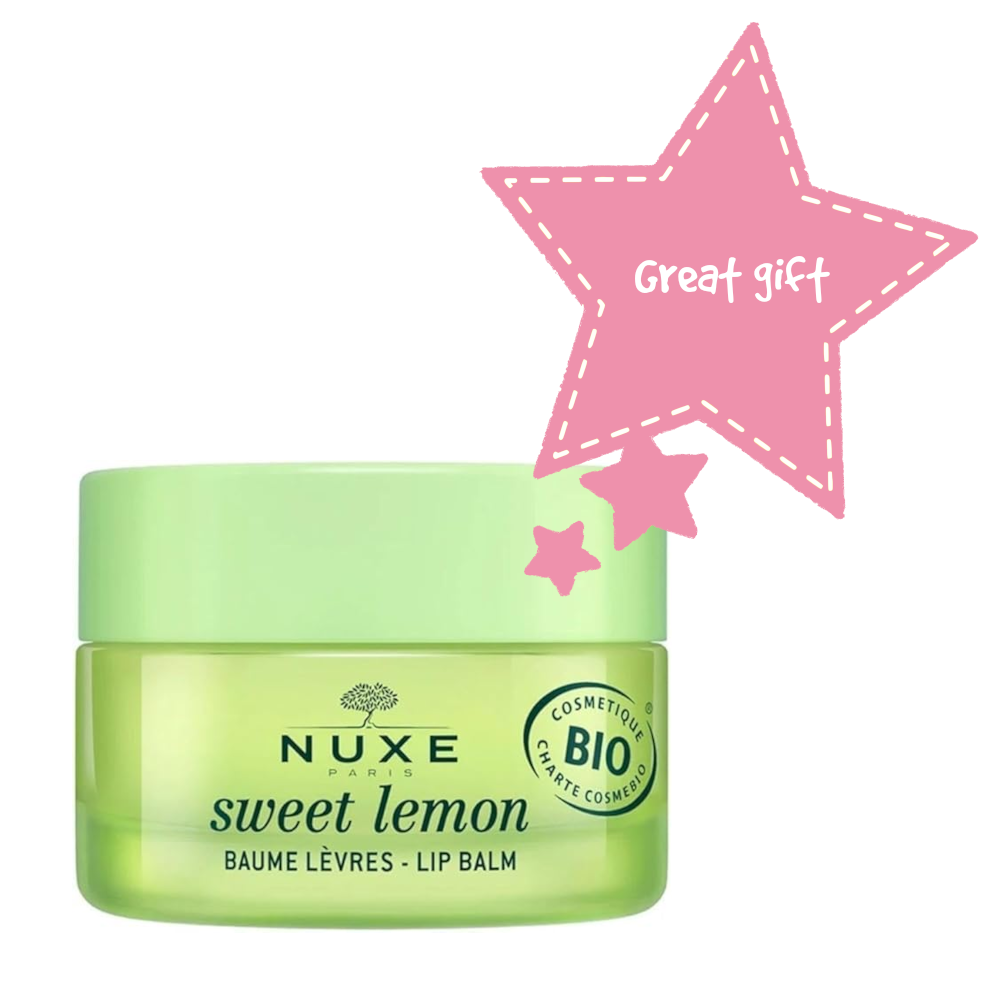
Nuxe Sweet Lemon Lip Balm
- Beautifully presented in glass jar with screw top lip. Comes in a card box, making this a great gift for the eczema sufferers in your life. However, not the most practical to keep in you pocket.
- Certified organic and vegan. No petrochemicals.
- Very sweet, lemony flavour, to the extent that it feels like you have just eaten a lemon meringue pie. Perfect if you like lemons, not recommended if you don’t. Also available in honey flavour. Some people may be sensitive to the flavouring.
- Quite a thick consistency so does drag a bit when applying and not especially practical if your have long nails. Both flavours are also available as sticks.
- Long lasting effect, making this great for overnight and winter use. But does stay sticky for quite a while, beware of long hair on a windy day.
- Around £10.50 (£70.00/100ml) from Amazon. Amazon stars: 4.1
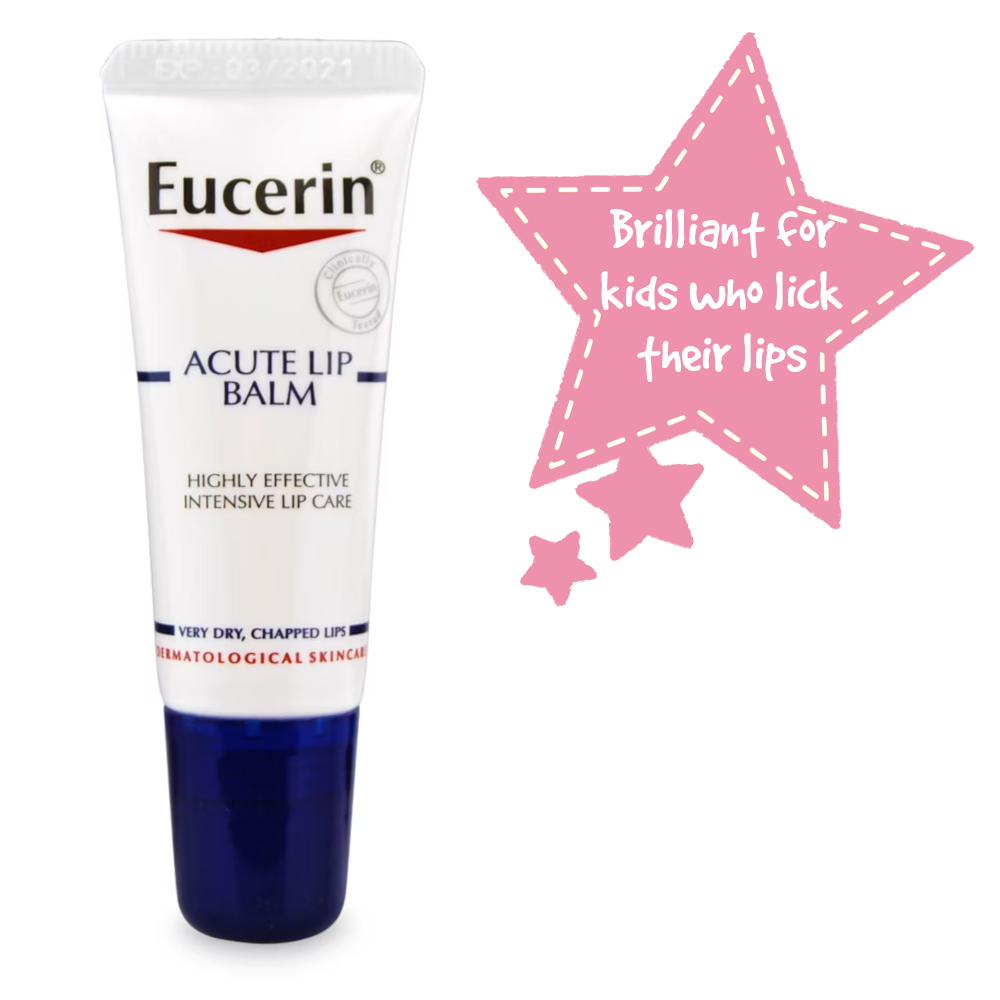
Eucerin Acute Lip Balm
- Developed specifically for dry, cracked lips and sore skin around the mouth.
- Includes calming ingredients to reduce discomfort and redness. These worked well for our testers.
- Contains panthenol and glycerol for intensive moisturisation which speeds up healing making is balm really helpful cracking at the corner of the mouth and for kids who lick their lips.
- Light and non-claggy consistency, comfortable apply to apply and wear. Soaks in quickly.
- The soft consistency makes it easy to squeeze out too much, especially as a little goes a long way. Adult supervision of junior users may be necessary.
- We find this balm really effective for bringing dry lips back under control when the kids have colds.
- £7.99 (£79.90 /100 ml) from Amazon. Amazon stars: 4.4
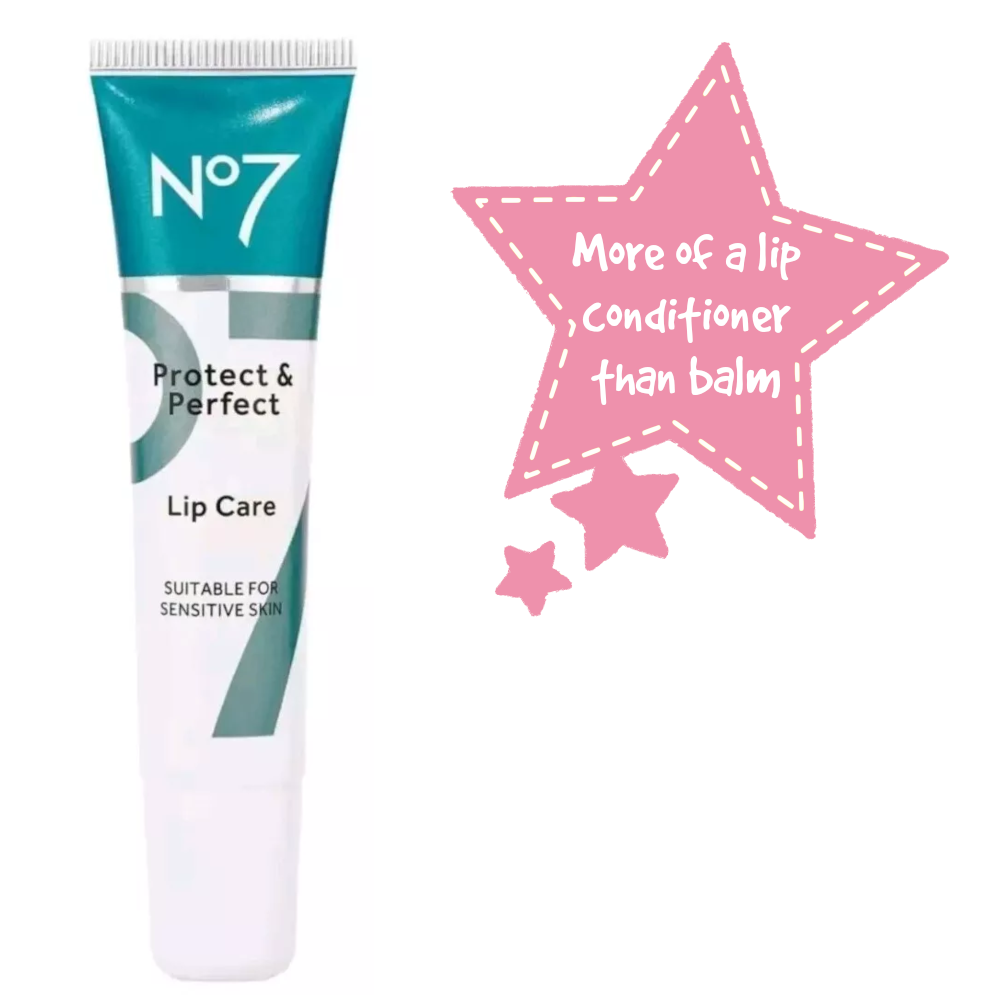
No7 Protect & Perfect Lip Care
- Very light consistency, more a lip conditioner than a lip balm.
- Quite a runny consistency, which makes sense when you look at the ingredients list which has water as the first ingredient.
- Contains parabens, which are known eczema triggers and can dry the skin. Patch test before use.
- Our testers needed to reapply this lip balm more frequently than others in our test. They also didn’t see a long term improvement in their winter dry lips. That said, other reviewers really like this product.
- Better suited for summer-time lip maintenance and use under make-up than for treating dry winter lips.
- £9.95 for 10ml (£99.50 for 100ml) from Boots. Boots stars: 4.2
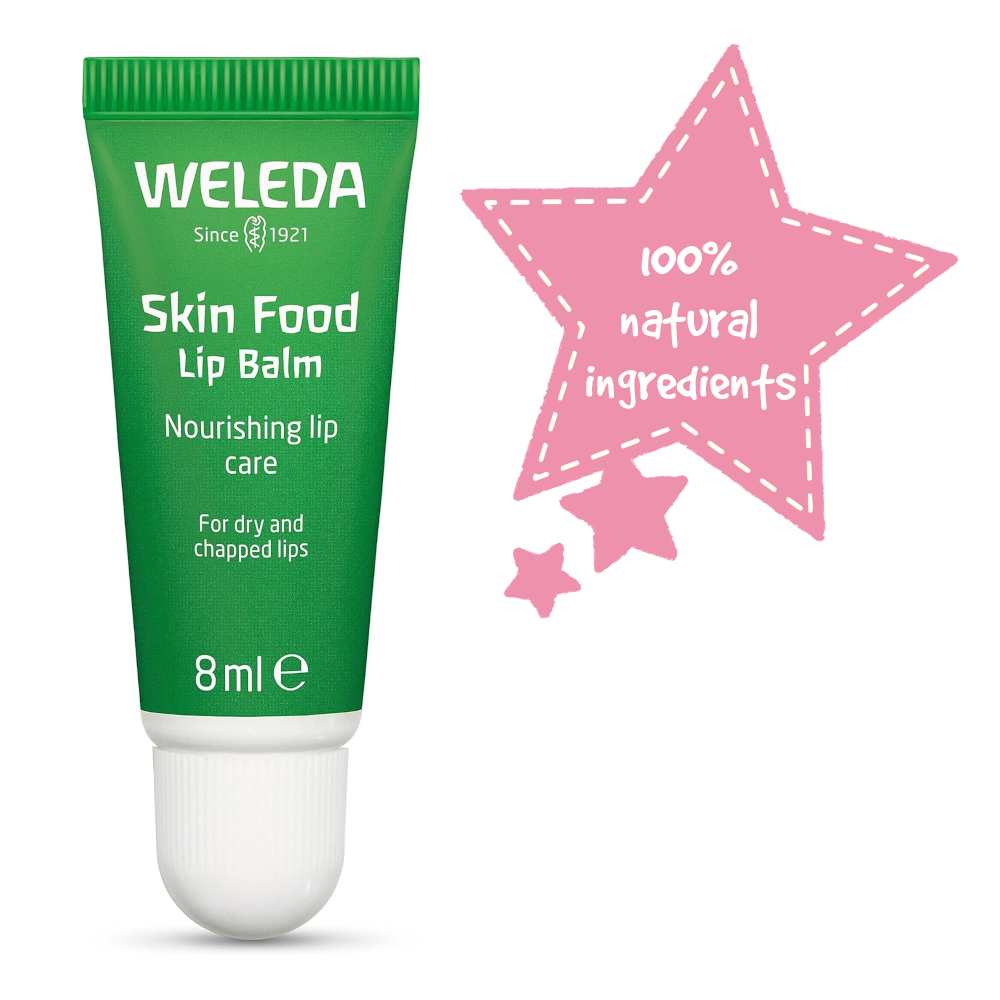
Weleda Skin Food Lip Balm
- Rich lip balm based on sunflower oil, lanolin and beeswax. Effectively protects against drying but does feel heavy and a little sticky. Also contains glycerin to draw moisture to the lips.
- Smooths on easily with either applicator or fingertip. Covers the lips with a slightly sticky film that takes a while to to be absorbed.
- Lanolin content means it may not be suitable for everyone.
- No obvious taste.
- Our testers found this balm really effective in cold winds (on a snowboarding holiday) but a bit too heavy for regular UK weather.
- Quite small compared to other balms we tested but still good value for money.
- £5.00 (£62.50 /100 ml) from Amazon. Amazon stars: 4.4
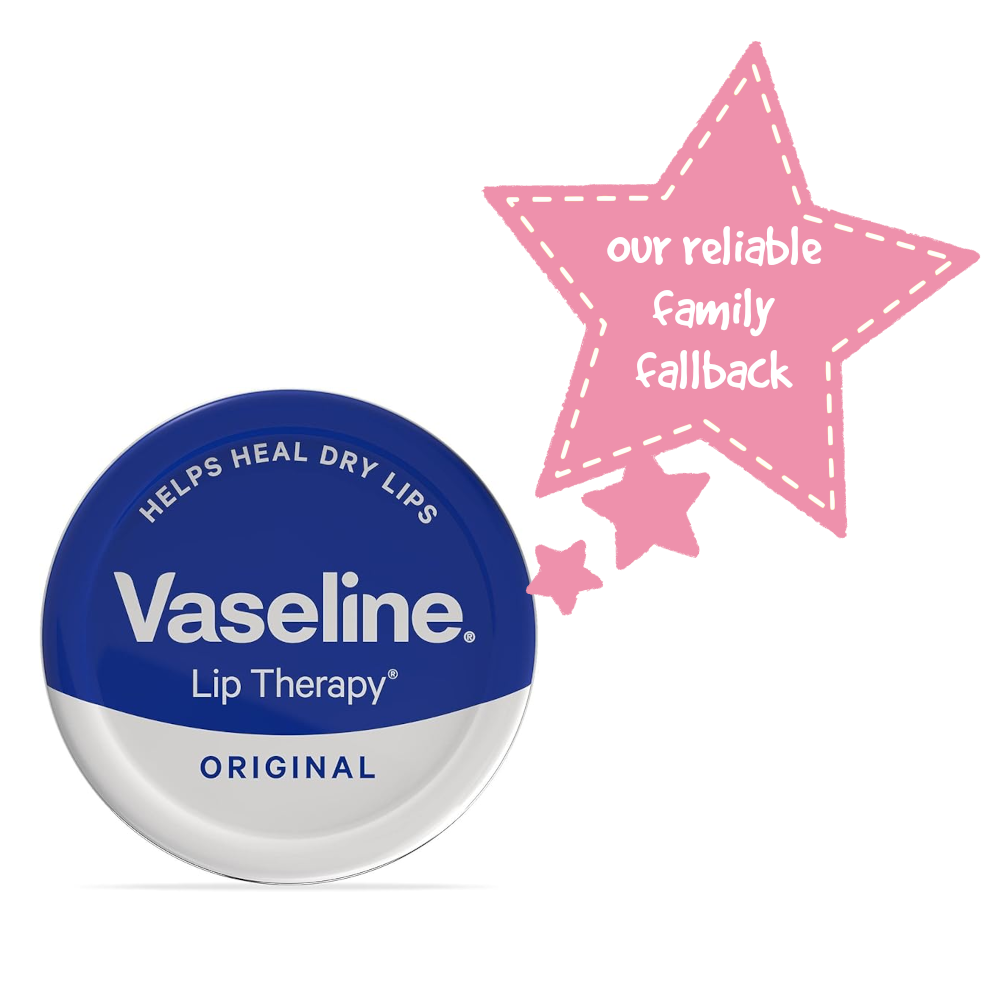
Vaseline Lip Therapy
- Old-fashioned occlusive Vaseline in a convenient, pocket sized tin. Vaseline Lip Therapy has a slightly different formulation to the regular version. It’s less sticky, making it easier to smooth on and giving lips a glossy appearance.
- Protects lips from drying with a thin, slightly tacky layer.
- Aloe and cocoa butter versions include humectants and emollients respectively which may make them more effective for very dry lips.
- Tinted, rose flavoured version also available as well as gift packs with funky tins.
- Easily the cheapest option in our comparison.
- Simple petroleum jelly formulation has minimal risk of adverse skin reactions.
- £1.09 (£5.45 /100g) from Amazon. Amazon stars: 4.7
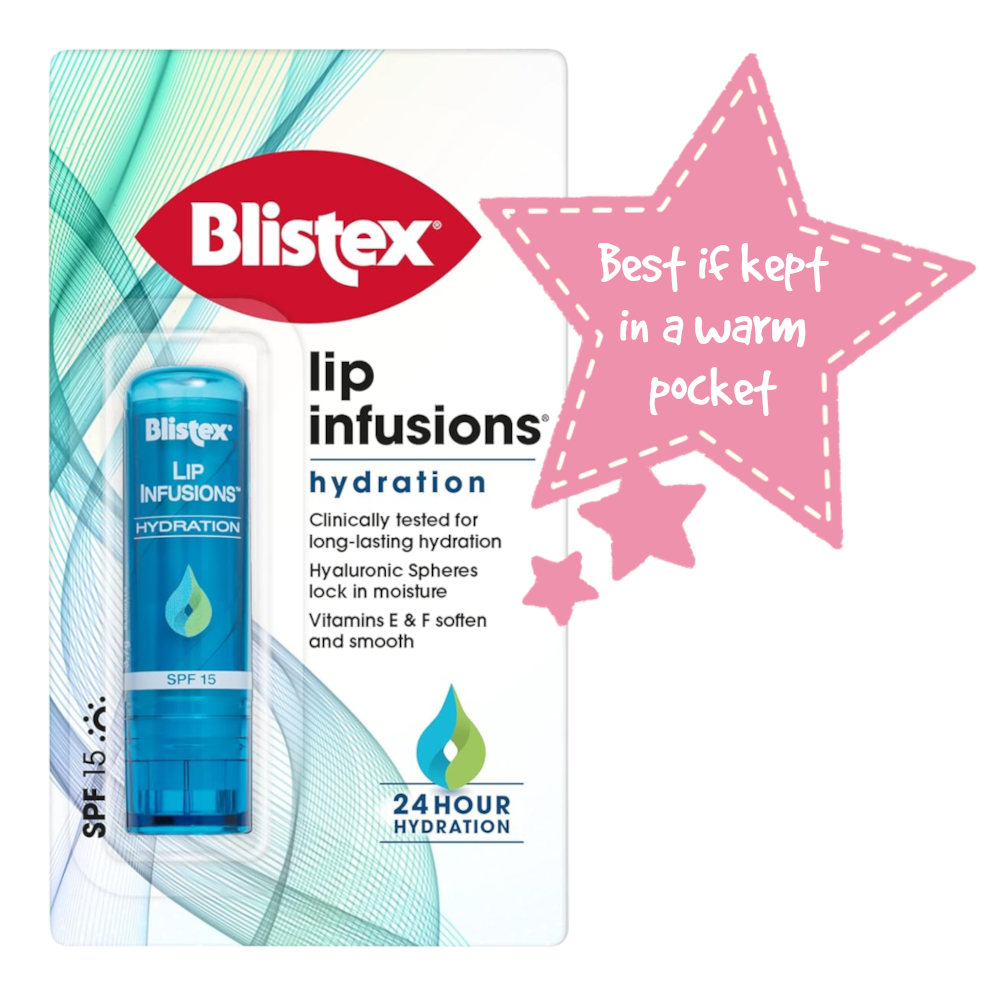
Blistex Lip Infusions Hydration
- The only twist up balm in our trial ran true to form and was quite hard and dragged over the lips when it was cold. Keep in an inside pocket for comfortable application.
- Non-greasy formulation based on coconut oil, candelilla wax and beeswax.
- Quite a strong orange flavour, that wasn’t clearly advertised on the packing (and was a bit of a surprise given the blue tube). Contains saccharin, which together with the orange flavour may encourage kids to lick their lips.
- Includes SPFs, useful if the sun ever comes out.
- Claims to offer 24 hour hydration, but our testers found that they needed to reapply every few hours.
- £2.95 (£79.73/100 g) from Amazon. Amazon stars: 4.5
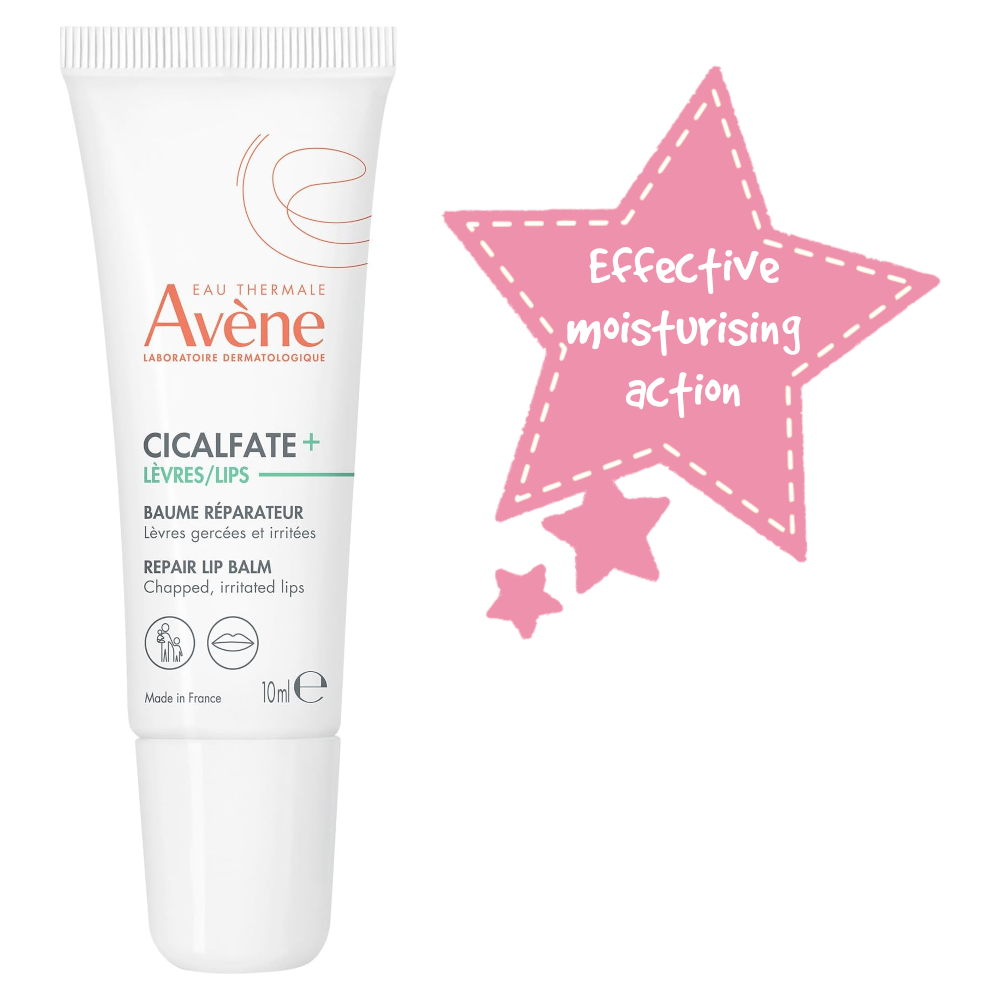
Avene Cicalfate+ Repair lip balm
- As you’d expect from this skin friendly brand, the ingredients list is relatively short and containing none of the common skin irritants commonly found in other lip balms.
- Quite a runny formulation but our testers found that their lips were instantly more comfortable and, perhaps surprisingly, they didn’t need to reapply frequently.
- Quickly absorbed and doesn’t leave a tacky film over the lips.
- No obvious taste or fragrance.
- Designed specifically to heal very dry and chapped lips (which is does very well) but not as good at protecting the lips from harsh weather. Choose a greasier balm for more outdoor protection.
- £8.38 (£83.80/100 ml) from Amazon. Amazon stars: 4.5
Our family eczema salve recipe includes beeswax as an occlusive, honey as a humectant and coconut oil as the emollient. It works brilliantly for lips and tastes pretty good too.
Our sources
- Tamura, E, et al. “The Efficacy of a Highly Occlusive Formulation for Dry Lips.” International Journal of Cosmetic Science, U.S. National Library of Medicine, Feb. 2020,
https://pubmed.ncbi.nlm.nih.gov/31571236/.
Here at ScratchSleeves, we don’t just share our experiences of bringing up an eczema child (and favourite allergy-friendly recipes), we also manufacture and sell our unique stay-on scratch mitts and PJs for itchy babies, toddlers and children. We now stock sizes from 0-adult years in a range of colours. Visit our webshop for more information.